The best hotel bars share a single, unglamorous virtue: they are open when nothing else is, and they are calm when nothing else is. That combination — a well-made drink, a chair that invites you to stay, and a room that asks nothing of you — is why lobbies increasingly host the most reliable cocktails in town. The Cambridge Dictionary gives the word quiet a second life beyond silence: it also means a lack of activity, and that is the sense a great hotel bar trades in. Nothing is demanded. Nothing is scheduled.
The comeback is not really about nostalgia. It is about fit. Independent cocktail bars chase turnover; a hotel bar is built for the guest who has just landed, the couple who do not want a second reservation, the local who wants a conversation without a queue. When hotel operators noticed that the people filling their lobbies were not only guests, they started treating the bar as a destination rather than an amenity — and the drinks caught up. For related coverage, see How Far Ahead Do You Really Have to Book? Reservation Windows in the World's Food Cities.
Dining travelers have learned to read these rooms the way they read a restaurant: by the menu logic, the pace of service, and whether the staff seem to enjoy the room they work in. Those signals are what this guide unpacks, along with the practical reasons a hotel bar often outperforms the trendy place three streets over.
Why do hotel bars suddenly serve some of the best cocktails around?
The short answer is staffing and economics. A serious independent cocktail bar lives or dies by covers per night, which pushes the menu toward fast, loud, photogenic drinks. A hotel bar answers to a different master: the guest experience. That gives the bartender room to pour a slower drink — a stirred martini, a properly built negroni — for someone who is staying for the evening, not for the photograph.
There is also the matter of training. Large hotel groups invest in bar programs the way they invest in concierge desks: as a repeatable standard. A traveler can walk into a flagship property in one city and find the same care in the glass as in another, which is precisely what a solo drinker far from home wants. The drinks are rarely experimental. They are correct, and correctness is underrated.
The third reason is the room itself. Hotel bars are designed by people whose job is making strangers comfortable: sightlines to the door, lighting that flatters rather than dazzles, music low enough to talk over. An independent bar often inherits a narrow storefront and makes do. The lobby was built for lingering.
What makes a great hotel bar endure?
Endurance in this category rarely comes from a famous name behind the stick. It comes from consistency of ritual. The great ones — the grand European lobby bars, the wood-paneled American classics — endure because the sequence never changes: you are greeted, seated, served, and left alone. That predictability is the product.
Menu logic is the second marker. A bar that endures keeps a short list of classics executed precisely, plus a handful of house signatures that reference the city rather than the bartender's ego. If the menu runs to three pages of novelty, the room is chasing a trend, and trends do not furnish a lobby for thirty years.
Service style is the third. In the enduring rooms, the bartender reads pace. A guest with a suitcase gets a fast welcome and a fast drink. A guest settled into the banquette gets conversation if wanted, silence if not. That judgment — knowing which guest is which without asking — is the entire craft, and it is why the best hotel bars feel effortless while lesser rooms feel either neglected or fussy.
What this means for a traveler is simple: judge a hotel bar the way you would judge a good maître d'. Watch how the staff treat the person who is clearly not spending much. In the rooms worth returning to, that guest gets the same drink and the same courtesy.
Who actually uses the hotel bar — and why it matters to the room's character
The mix has changed. Twenty years ago the clientele skewed toward guests and business travelers. Today the lobby bar draws locals for after-work drinks, neighborhood regulars for a nightcap, and travelers who booked the hotel partly for the bar itself. That blend changes the energy: early evenings belong to locals, late nights to guests, and the room needs staff who can serve both without shifting its manners.
Solo drinkers are the clearest sign of a healthy hotel bar. Eating and drinking alone is its own skill — as covered in A Table for One, Everywhere: How Solo Dining Works Across the World's Great Food Cities — and the hotel bar is its most forgiving classroom. A single seat at the bar, a book or a phone, no one hurrying you: few urban rooms offer that without a transaction of some kind. The hotel bar offers it as its core business. This connects to our earlier piece, A Table for One, Everywhere: How Solo Dining Works Across the World's Great Food Cities.
Wine drinkers have their own version of this. The enoteca tradition in Italy — the small glass, the unhurried pour, the counter where regulars stand — maps almost perfectly onto the well-run hotel bar. Both trade in low pressure and high information: you learn a city by what it pours slowly.
How to choose a hotel bar worth your evening
Practical steps, in the order they matter:
- Check the hours before the menu. A bar that closes at nine is a lobby decoration, not a bar. The enduring ones run late because their purpose is the arriving guest.
- Look for a short classic list. Five to ten well-made standards signal a program built on craft. A page of themed signatures signals marketing.
- Sit at the bar, not at a table. The counter is where the room's real service standard shows, and where a solo drinker is best looked after.
- Read the dress code honestly. Some grand hotel bars still enforce one; a grounded look at what dress codes actually require saves an awkward door moment. Smart-casual — a collar or a decent jacket — covers nearly every classic room.
- Ask the concierge, then verify. Concierges recommend their own bar first by instinct. Ask where they drink, then check that the place is open on the night you have in mind.
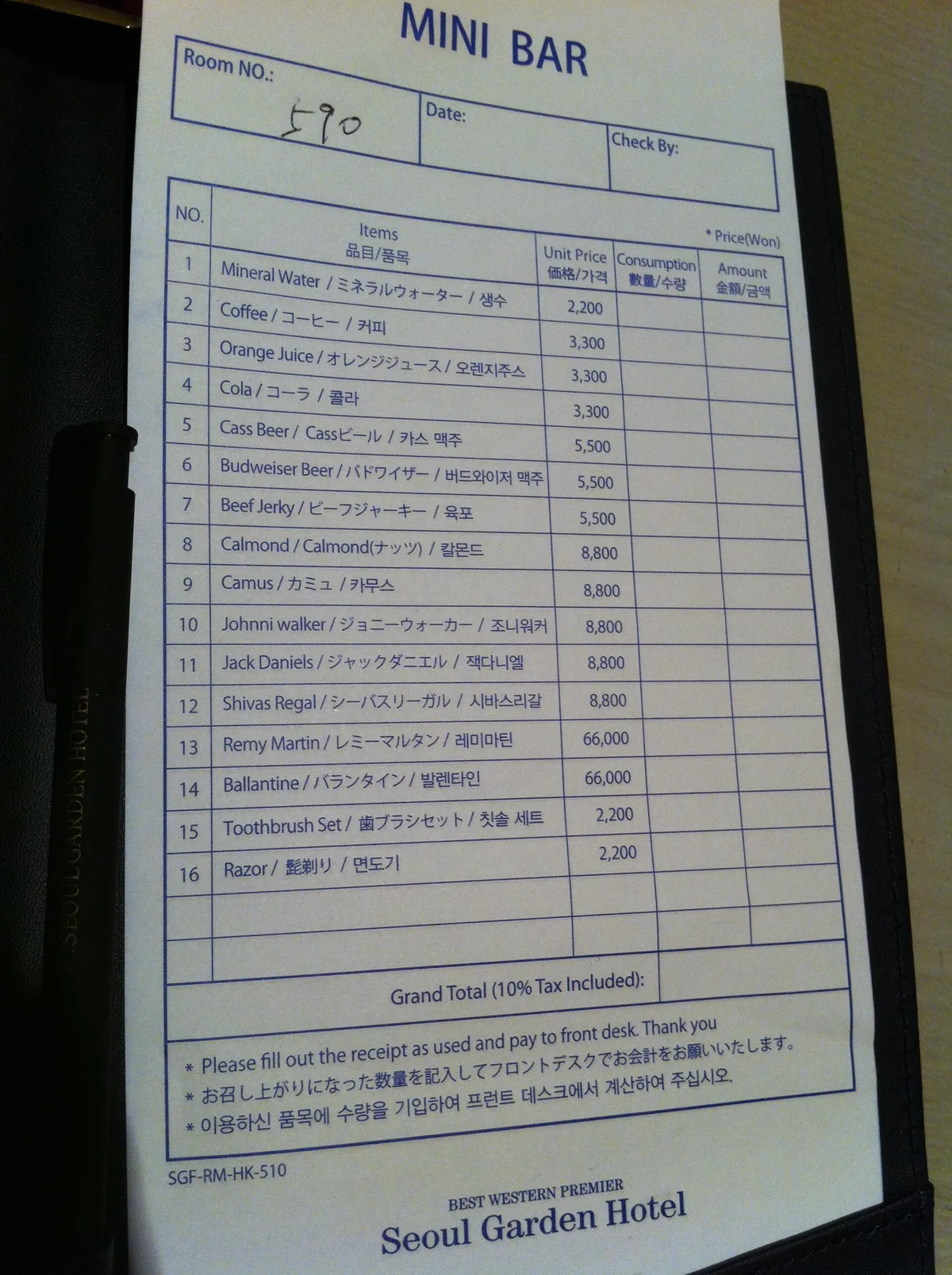
One more note on money: hotel bars price like hotel minibars, with a premium for the room. That premium buys the seat, the quiet, and the hours — and on the right night, it is worth every cent. But if the bill matters, decide before the second round. Tipping customs also shift at hotel bars, where service may already be included or added to a room charge; the practical rundown in Tipping Customs by Country applies at the counter as much as at the table.
Our analysis: the comeback is really a correction
Strip away the velvet and the comeback is a market correction. For a stretch, the industry treated hotel bars as a cost center — dim, under-staffed, forgettable — while independent cocktail culture ran away with the craft. Now the two have converged: hotels hired the talent, and independent bars discovered that the guest who lingers is worth more than the guest who photographs. The classic hotel bar did not change its nature to win this round. It simply waited, kept its hours, and let everyone else rediscover what it had never stopped offering.
What the evidence of the room itself establishes is this: the enduring hotel bar wins on hours, calm, and consistency — three things a city's loudest openings cannot manufacture. What remains unknown, for any specific property, is the current state of its program, which is why the ordering rule stands: check the hours, then the menu, then the room. The drink will follow.