Restaurant dress codes matter most at the two extremes: the formal tasting counter with a printed policy, and the country or region where covering up is a matter of law or deep custom rather than house style. In between, most restaurants care less about labels on your clothes than whether you look like you tried. The safest approach for a traveler packing for several destinations is a small set of adaptable pieces — a collared shirt, dark trousers, one dress that moves from lunch to dinner — rather than an outfit for every possible rule.
Where a code is written down, as at some steakhouses and white-tablecloth dining rooms, it is usually specific: jacket required, no shorts, no athletic wear. Where it is unwritten, the restaurant's own social media presence is often the best clue, since photos of other diners show what actually passes rather than what a host might say if asked directly, a research method Eater recommends before guessing at a new restaurant's expectations.
What actually varies between fine dining and casual restaurants?
Fine dining, broadly, is where a house rule is most likely to exist in writing. A tasting menu restaurant or a steakhouse with white tablecloths may still require a jacket for men, and shorts or athletic wear are commonly excluded across that tier, according to Eater's guide to restaurant dress codes. Price is a rough but useful signal: a restaurant charging tasting-menu prices is more likely to have thought about what its dining room should look like than a neighborhood bistro is.
Casual restaurants rarely enforce anything beyond basic coverage. The old line about shirts and shoes covers the legal minimum, but it says nothing about the actual mood of a room, which is why Eater's guide suggests treating a restaurant's own Instagram as a more useful barometer than any sign near the door. Diners photographing themselves at a table tend to be dressed slightly better than they would be for an ordinary lunch, so those images skew a notch dressier than the average table — worth knowing before over-preparing for a place that is, in practice, easygoing.
A traveler planning a trip around the counter ritual at an omakase bar should expect the dressier end of casual: neat, unremarkable, comfortable to sit still in for two hours, nothing that announces itself.
Does the dress code change by country, not just by restaurant?
Yes, and the two are not the same question. A restaurant's own house style is one layer; a country's broader expectations around modesty and dress are another, and they can outlast any single restaurant's preferences. In much of Western Europe and North America, restaurant dress codes are set by the restaurant itself and rarely reflect a national norm beyond it.
Elsewhere, wider cultural or legal expectations sit above whatever the restaurant might individually prefer. In several Middle Eastern countries, covering the shoulders and knees is expected of women in public generally, not only inside a particular dining room, and dressing accordingly is treated as a matter of respect for local custom rather than restaurant policy, according to guidance from High Risk Voyager. The same source notes that in parts of North and East Africa, modest coverage — long trousers for men, covered shoulders and legs for women — is the respectful baseline in public generally, which naturally carries into a restaurant setting even where the venue itself sets no formal rule.
In parts of South and Southeast Asia, the same source describes no strict legal dress code but a strong social preference for modest coverage, with knees and shoulders kept covered to avoid unwanted attention — again a public-space norm rather than a restaurant-specific one. None of this is a matter of one cuisine being dressier than another; it reflects the country's broader customs around modesty, which happen to apply inside a dining room the same way they apply on a street.
How does a business or working lunch change the calculation?
A lunch built around a deal or a meeting carries its own expectations, separate from evening fine dining. Business lunch culture across parts of Asia tends to favor tidy, conservative dress that signals seriousness rather than occasion, distinct from what the same diner might wear at the same restaurant for a purely social dinner — a distinction covered in more detail in Postcard Planet's look at how the business lunch actually works across Asia. The food itself may be identical to the evening menu; the audience and the occasion are what shift the wardrobe. This connects to our earlier piece, Deals Over Dim Sum: How the Business Lunch Actually Works Across Asia.
The same logic applies to Europe's midday set-menu traditions, where the meal is often quick, working, and unceremonious rather than an event to dress for. A traveler eating France's formule midi or working through Spain's menú del día is generally dressing for an ordinary workday, not for a restaurant occasion — jeans and a clean shirt clear the bar in both settings. For related coverage, see Spain's Best Deal Is Printed on a Card: How the Menú del Día Works.
What should a traveler actually pack?
A small, flexible wardrobe covers nearly every situation this guide describes better than several single-purpose outfits would. Overpacking for dress codes usually means carrying formalwear that gets worn once, if at all.
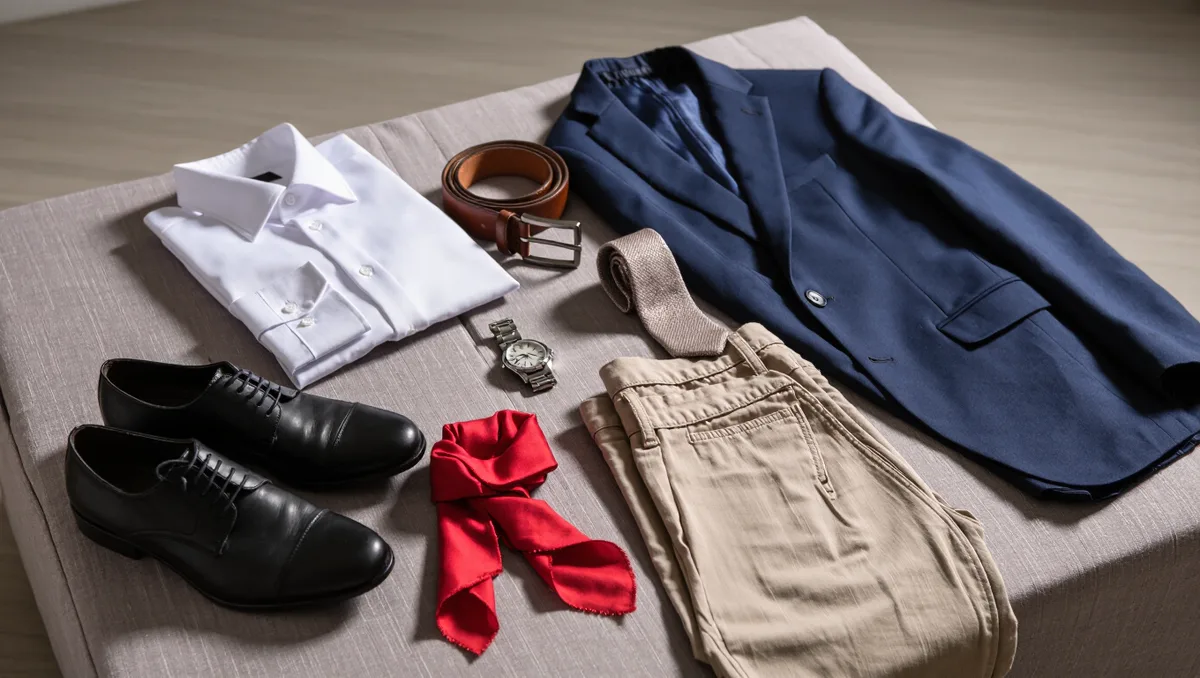
- One collared shirt and dark trousers for men, which clears most steakhouse and jacket-optional dress codes without a full suit, per Eater's guidance on dressing for an unfamiliar restaurant.
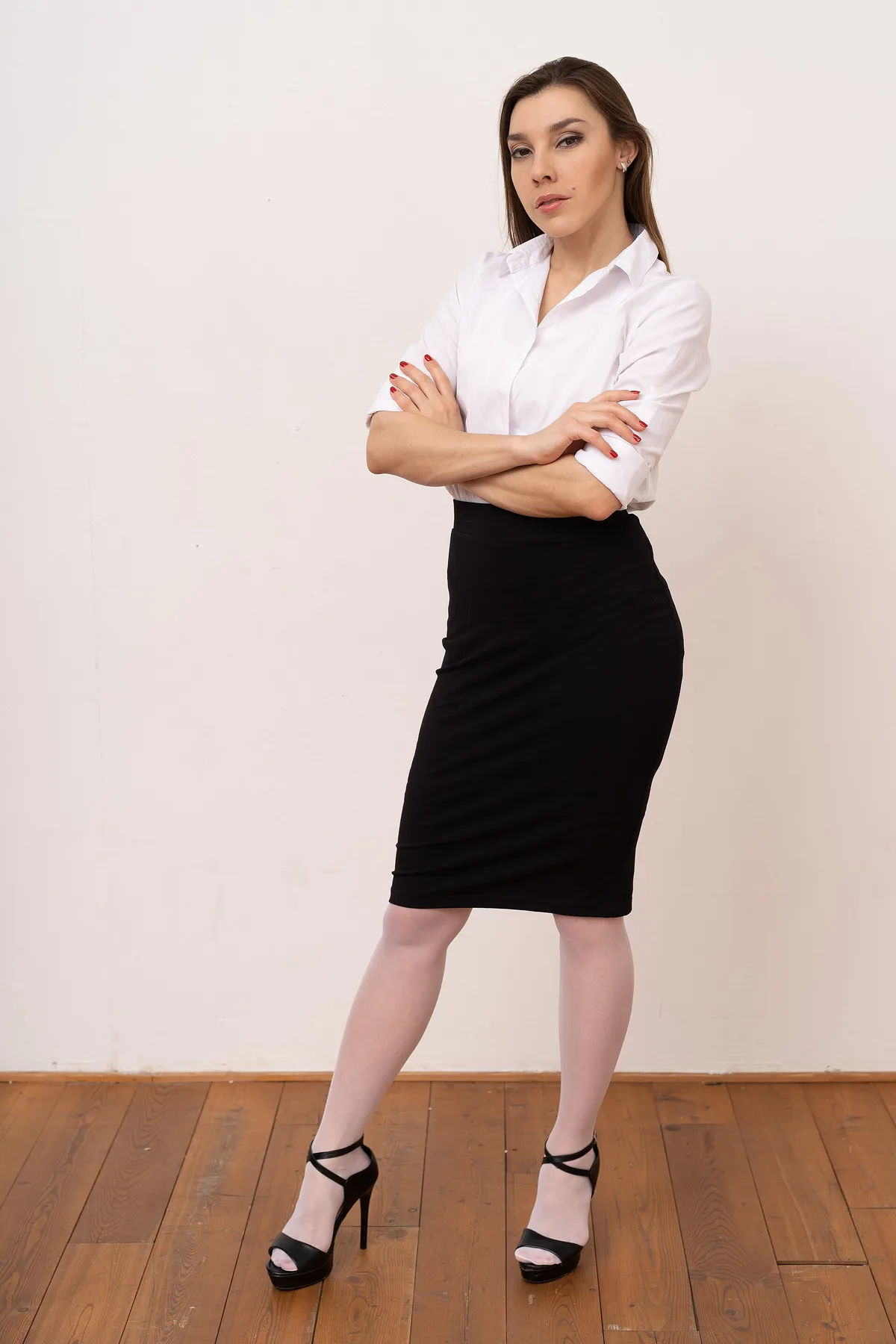
- One dress or blouse-and-trousers combination for women that moves from daytime market to evening dinner without a change.
- A lightweight scarf or shawl, useful both for restaurant air conditioning and for covering shoulders where local custom expects it, consistent with the modesty norms High Risk Voyager describes for parts of the Middle East, North Africa, and South Asia.
- Dark, patterned, or machine-washable fabrics for meals involving sauces or noodles, since spillage is close to inevitable and Eater's guide flags it as a real planning consideration rather than a minor worry.
- Comfortable shoes rather than anything punishing; no restaurant dress code, per Eater's reporting, actually requires heels.
Practical steps before you book the table
Check the restaurant's own website or social accounts first, since a written dress code — where one exists — is almost always posted there rather than volunteered by phone. Where nothing is posted, treat the restaurant's photos of other diners as the more reliable signal, following Eater's suggestion to read a venue's Instagram as a rough guide to what its clientele actually wears rather than what a generic sign might claim.
Separately, check the country's broader customs before the restaurant's. A perfectly dressed diner by restaurant standards can still be underdressed by local public norms in a country where modest coverage is the wider expectation, and High Risk Voyager's overview is a useful starting point for research on those broader norms, alongside the traveler's own further reading before departure. Neither source substitutes for checking current, country-specific guidance closer to a trip, since customs and enforcement can shift.
What this means in practice: the restaurant sets its own rules for its own room, but the country sets the wider rules the restaurant sits inside. Packing for both, rather than assuming one covers the other, is what actually prevents an awkward evening — whether that evening is a long Sunday lunch at an Italian trattoria or a quiet counter seat somewhere far stricter about what a shoulder should never show. For more on how dining customs shift from country to country, the Dining section tracks these differences meal by meal.