Mexico City: Where the Mercado Still Sets the Table
The capital's public markets feed the city twice a day — and the oldest of them hold the food history museums never quite deliver.
Coverage of regional cooking and the people producing it: dishes tied to one valley or one season, cheesemakers and curers, olive mills and vineyards, market ingredients and the festivals built around a harvest. Each piece names the months that matter. For travelers who plan a trip around what is ripe.
What a region eats and when: dishes tied to a harvest, cheese and cured meat producers, market ingredients and the months each is worth traveling for.

The capital's public markets feed the city twice a day — and the oldest of them hold the food history museums never quite deliver.

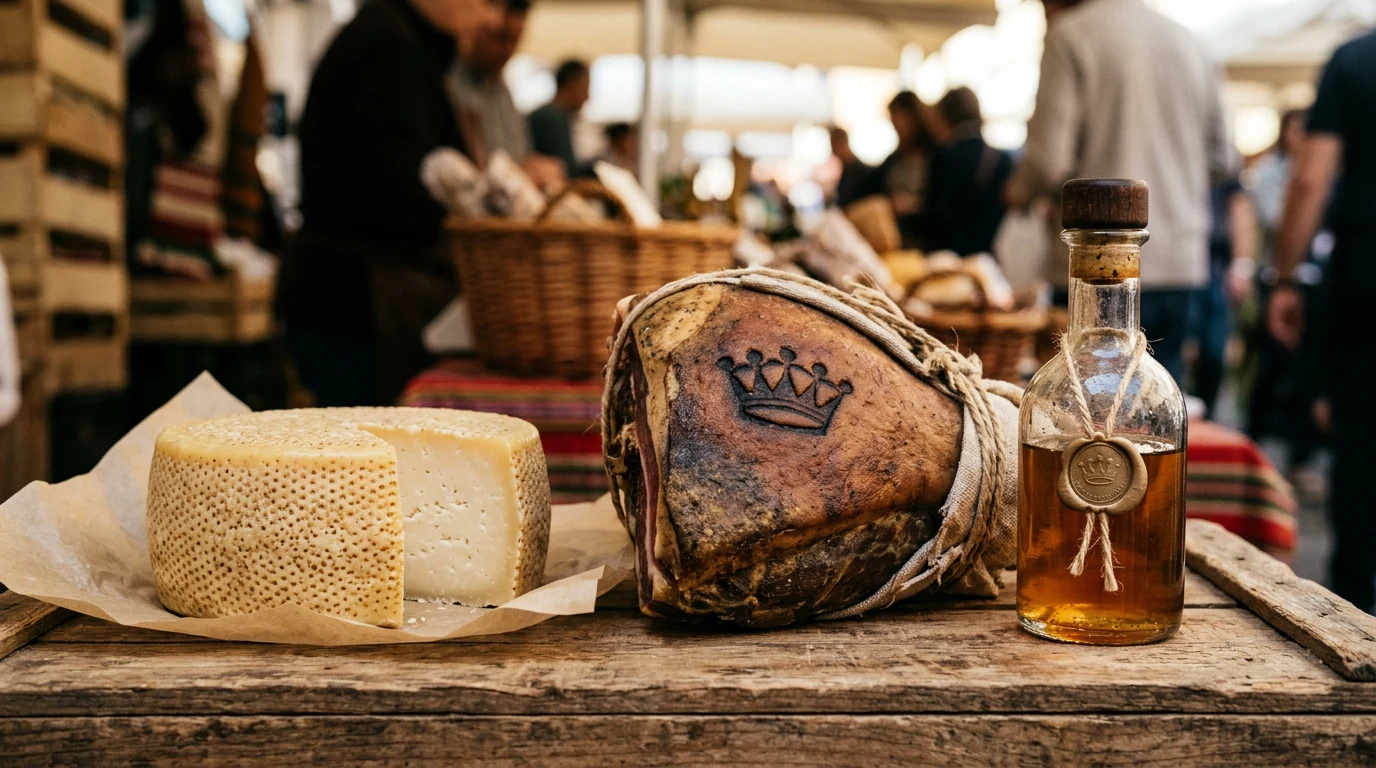
A pin-dot rind, a five-point ducal crown and a numbered vinegar seal each stand for a specific clause in a published product specification. Here is what those clauses require, and where in Parma and Modena a traveler can book a visit to see them applied.
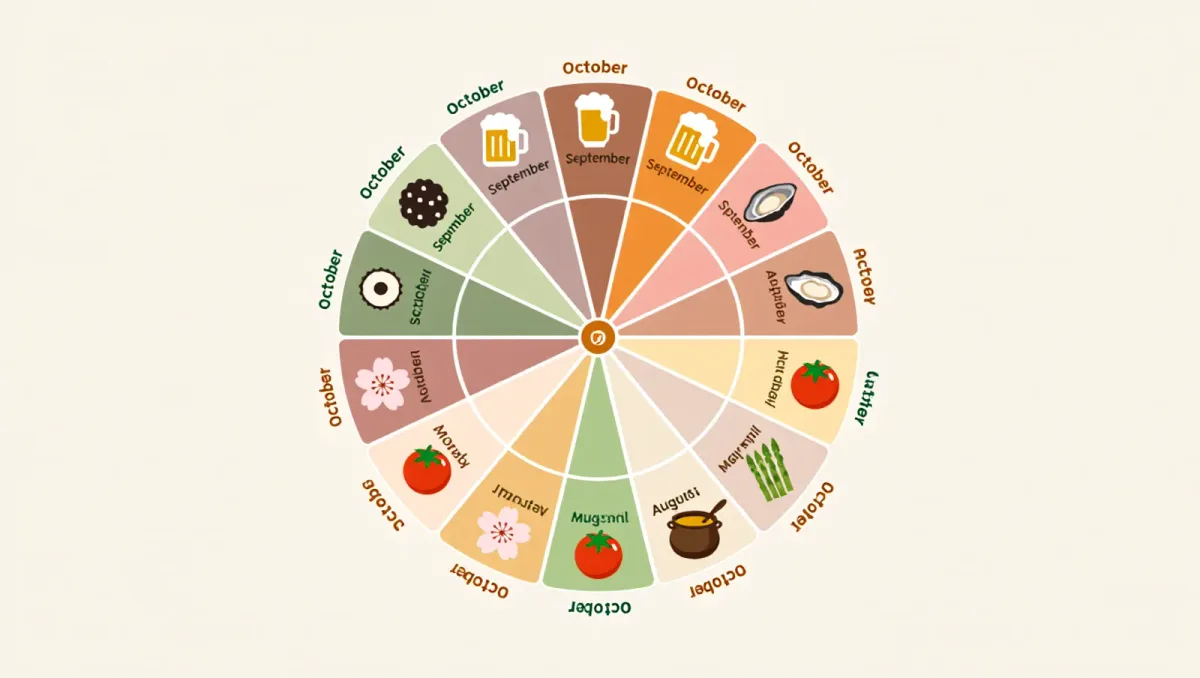
From the Alba truffle fair's October opening to Oaxaca's July Guelaguetza tables, a traveler's calendar of the food festivals whose dates are fixed by tradition, harvest, or church bell.

In the green mountains of Quindío, Caldas, and Risaralda, coffee is a working landscape UNESCO listed as a whole — how to sleep on a finca, pick a basket, and drink tinto the Colombian way.

More than a million cherry trees climb the walls of a single Extremaduran valley — when the Picota harvest starts in June, the roads of the Valle del Jerte turn into one long fruit stand.

Arabica grew wild in Ethiopia's southern forests long before the rest of the world drank it — how to visit the Yirgacheffe highlands, taste at origin, and be a proper guest at the coffee ceremony.

Port wine has been legally defined by the Douro's schist terraces since 1756 — how to plan a valley trip from the Gaia lodges to the Quinta terroirs of Pinhão and the Douro Superior.

One wheel of Comté takes the milk of about 30 cows and up to three years of cellar time — a guide to the fruitières, aging houses, and vin jaune villages of France's Franche-Comté.

Kagawa on Shikoku has roughly 600 udon shops for fewer than a million residents — a guide to the self-service bowls, kama-tama, and udon taxis of the prefecture that renamed itself for a noodle.

Mexico's most celebrated food city stakes its table on moles ground for days, quesillo pulled by hand, and mezcal distilled in the valleys around it — here is what to eat in Oaxaca and where the dishes actually live.