Airport lounge access used to signal status. Today it mostly signals a credit card. Many lounges that once admitted only premium-cabin passengers and top-tier frequent flyers now welcome anyone holding the right card, and a growing number sell single-entry passes at the door or through an app. The result is a pre-flight experience that is easier to enter and, at peak hours, harder to enjoy.
The practical question for travelers has shifted. It is no longer "can I get in?" but "will the lounge be usable when I do?" Crowding at busy times — early morning banked departures, the evening wave, school-holiday peaks — is the most common complaint, and the industry's own responses tell the story: capacity limits, walk-in waitlists, and some operators quietly tightening guest policies. None of that changes the arithmetic of value, which this piece sets out plainly.
What does airport lounge access actually get you?
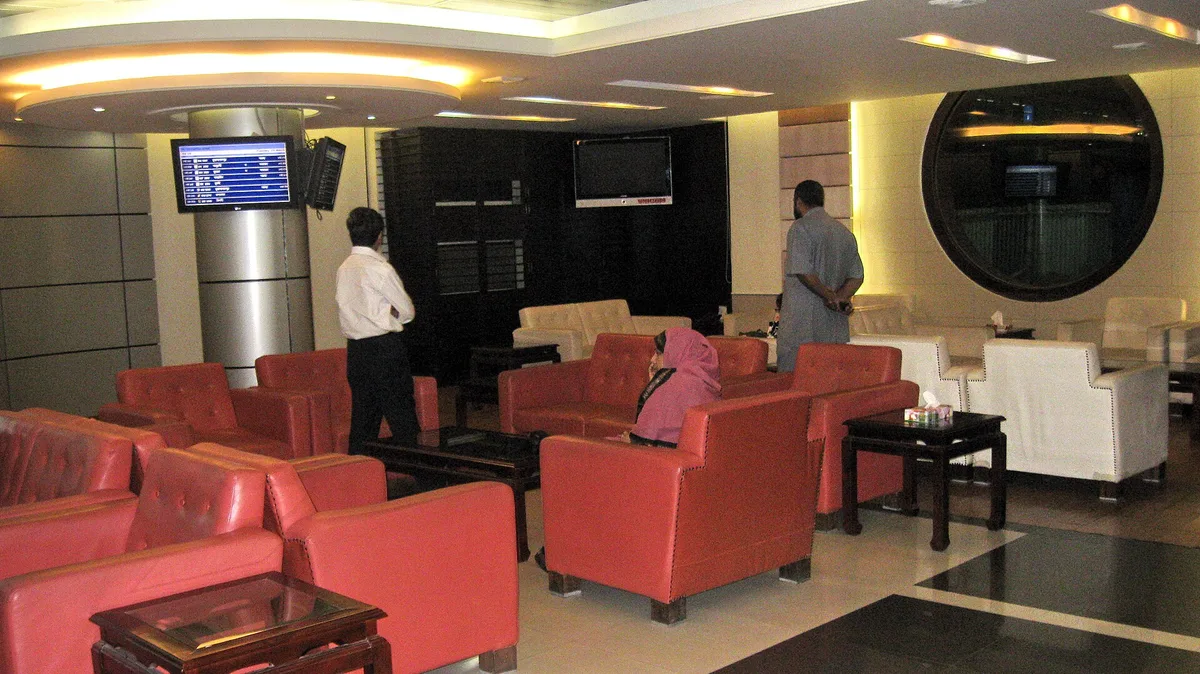
A lounge is, at its core, a quieter seat, something to eat and drink, dependable Wi-Fi, and a clean restroom without a queue. On a long connection or a delayed flight, those things are worth real money. On a 45-minute turn before a short hop, they often are not — by the time you settle in, boarding has started.
What a lounge does not guarantee matters just as much. Food quality varies widely between a full buffet service and a modest snack counter. Seating can be scarce at peak times, and some lounges now text you to wait rather than admit you straight away. Staffing pressure shows in slow coffee refills and cluttered tables. The product is not uniform, and neither is the price of admission.
How did the pay-to-enter model change things?
Three forces converged. First, premium credit cards made lounge entry a standard benefit, putting millions of cardholders one swipe away from a door that used to be reserved. Second, lounge networks expanded aggressively, including into airports and terminals that never had them, so the option exists almost everywhere a traveler looks. Third, operators embraced walk-up pricing: a day pass bought in an app costs less than a night at an airport hotel and feels, to many travelers, like a fair upgrade to the wait.
More eligible entrants plus finite square footage equals queues — at the reception desk, at the buffet, at the power outlets. Operators have responded the way any capacity-constrained business does. Some limit guest access, so a member can no longer always bring a companion free. Some tier their own brands, reserving the nicer room for the higher fee or the higher card tier. Others publish access restrictions during peak windows. Read the current entry rules before you travel; they change more often than the lounge furniture does.
When is a lounge worth paying for?
Our analysis comes down to four variables: time, company, airport and appetite.
- Time. The longer the wait — a layover of several hours, a delay, an early arrival before a late departure — the more a lounge earns its fee. A two-hour buffer rarely pays off.
- Company. Traveling with children or needing to work? The relative calm, space and table seating can justify the pass on its own. Traveling solo with a short connection? The gate area usually suffices.
- Airport. In terminals where seating is scarce, outlets rare and food expensive, the lounge gap is widest. In airports with good public concourses, the premium shrinks.
- Appetite. If you would otherwise buy a meal and a drink airside anyway, a day pass that includes both may cost about the same. If you eat before security, it will not.
What this means in practice: treat a lounge pass like any other travel purchase. Price it against what you would actually spend and suffer without it, not against the idea of it.
How do you get in without overpaying?
Check what you already hold before you buy anything. Many premium cards include lounge programs, and some airline co-branded cards do too; the benefit is often forgotten at booking time. If you pay at the door, compare the walk-up rate against the app rate — operators frequently price the same entry differently by channel. And check guest rules: the fee quoted for one person can double when a companion is added, which is where casual buyers most often get caught out. For related coverage, see The Michelin Guide's Price Tag: How Cities Pay to Get Rated.
Timing also matters. Lounges are calmest mid-morning and mid-afternoon, between the departure banks. If your schedule lets you choose, arriving during those windows changes the experience more than any tier of membership does.
What should food travelers know before relying on a lounge?
For readers who plan trips around dining, the lounge rarely competes with the destination. A lounge buffet is a convenience, not a meal worth building an itinerary around, and skipping the terminal's local options for a standardized international spread is a poor trade in most food cities. The better use is practical: a quiet base to work or rest between flights, with food as a bonus rather than the point.
That said, lounge crowding is part of a broader shift in how airports price comfort, the same logic behind tourist access fees in overrun cities — a topic we covered in Venice Doubled Its Access-Fee Days for 2025 — What Food Travelers Need to Know. Paying to escape the crowd is becoming a normal line item in travel budgets, at the gate as much as at the city gate. This connects to our earlier piece, Venice Doubled Its Access-Fee Days for 2025 — What Food Travelers Need to Know.
The bottom line on lounge access today
Lounge access has democratized, and the trade is clear: easier entry, thinner experience. The door is open to far more travelers than it used to be, and the room behind it is fuller than it used to be. Whether that trade suits you depends on the four variables above — and on honest arithmetic about your own waiting time. For travelers who value calm over ceremony, the pass still earns its fee on the right itinerary. For everyone else, a good gate seat and a decent concourse meal remain hard to beat. More practical reporting on dates, fees and disruptions lives in our travel news section, and destination-by-destination dining planning in our food coverage.