You open the small fridge in your hotel room and find neat rows of drinks and snacks. Everything looks tempting until you read the price card. A single can of soda can cost more than a sandwich.
The minibar is one of the oldest hotel luxuries and one of the easiest places to pick up a charge you never wanted. Here is how it works, how the sensors watch it, and how to check out without a surprise. This connects to our earlier piece, One Room, Many Courses: How a Kaiseki Ryokan Stay Actually Works.
What a Minibar Is and What It Costs
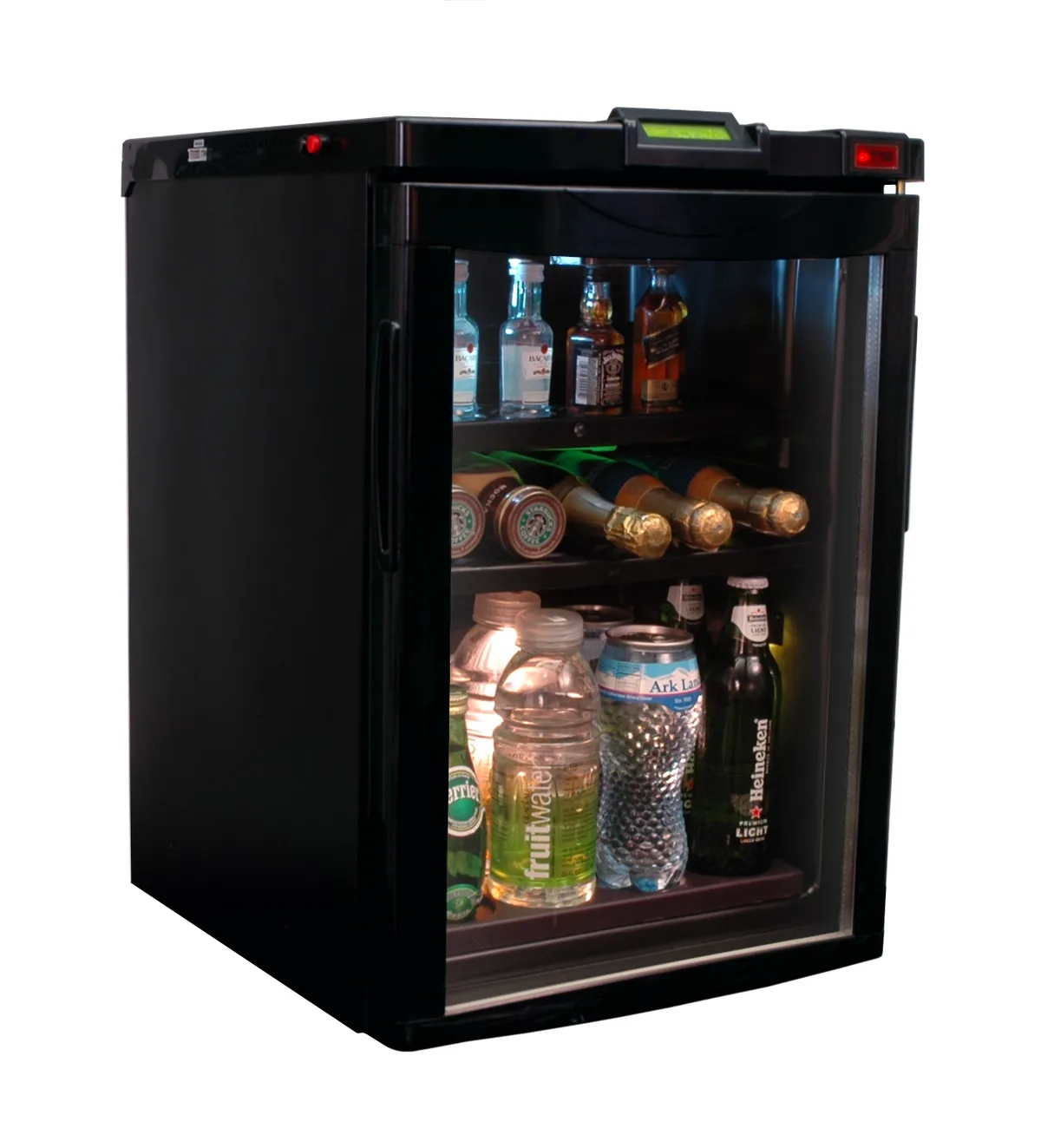
A minibar is a small refrigerator in a hotel room or cruise cabin. Staff fill it with drinks and snacks, keep a precise count of every item, and post a price list, according to Wikipedia's history of the minibar. Anything you take lands on your bill at checkout.
Prices run far above store levels. You are paying for instant access and for the labor of restocking. Wikipedia notes that a can of a non-alcoholic drink commonly costs $6 to $10, and alcohol costs more still.
The stock rarely changes from hotel to hotel. Small bottles of liquor, juice, soda, and bottled water fill the shelves, with candy, cookies, and crackers beside them. It is a tiny shop with hotel pricing. For related coverage, see The Chef Checks In: How Hotel Chef Residencies Work, and When They're Worth Planning a Trip Around.
Watch the room as well as the fridge. Hotels place premium bottled water on desks and bedside tables on purpose, a trick the industry calls ambient placement. A thirsty guest at night will grab the nearest bottle without checking the price.
How Minibar Sensors Work
Older minibars rely on staff counts. Newer ones use infrared sensors and other automated tracking. The system detects when an item is lifted out and bills the room right away, even if the item is never opened or consumed.
The goal is loss prevention. Wikipedia explains that the sensors were adopted to stop theft and lost revenue. Automation also replaces manual counts, which take staff time and invite human error.
That speed cuts both ways. A charge can appear the moment you lift a bottle to read its label. If you consumed nothing, you can ask the front desk to reverse it, but only if you notice it first.
How to Avoid Surprise Charges
- Read the price list before you open, move, or even lift anything.
- Never treat the minibar as your own fridge. Some hotels charge a personal use fee for storing your own items.
- Buy drinks and snacks at a nearby store and keep them on ice instead.
- Check your final bill at checkout, and question any item you did not take while you are still at the desk.
Use the tools the hotel gives you. Many properties let you review minibar items on the room's television or in the hotel app, so you can catch a wrong charge before checkout day.
If a sensor charge shows up for an item you returned, say so calmly and ask for a review. Front desk staff can void honest mistakes on the spot. That fix becomes much harder once you have left the building.
A Short History of the Minibar
The first minibar appeared in 1974 at the Hong Kong Hilton. Its manager, Robert Arnold, introduced the idea, and in-room drink sales jumped 500 percent in the months that followed, according to Wikipedia. The hotel's yearly revenue rose 5 percent, and Hilton rolled the concept out across its hotels the next year.
The fixture is now fading. Wikipedia reports that hotels have been removing minibars because guests use them less, restocking takes real staff time, and disputes at checkout grew routine. Some hotels now leave the space as a plain fridge for food you bring yourself.
Conclusion
The minibar is convenience with a steep markup, watched by sensors that never blink. Enjoy it if the price feels fair to you. Read the list, keep your own snacks, and challenge any charge you did not cause. A moment of attention at check-in beats an awkward argument at checkout.