Kaiseki-ryōri, Japan's formal multi-course cuisine, reaches its fullest expression in the dining rooms of ryokan — traditional inns — particularly in Kyoto, as BBC Travel has documented in its reporting on the cuisine. A kaiseki ryokan stay bundles two experiences that most travelers book separately: a tatami-room hotel and a tasting-menu dinner of nine to a dozen courses, served in your room or a private dining room, timed to the hot-spring bath and the season. Done well, it is the most complete single meal of a trip to Japan; done unprepared, it can feel expensive and opaque.
This guide explains the sequence of a kaiseki ryokan stay, what the courses are, what a stay costs, and the etiquette that matters. It publishes information, not booking advice; confirm all details with the inn before travel.
What is a ryokan, and how does kaiseki fit in?
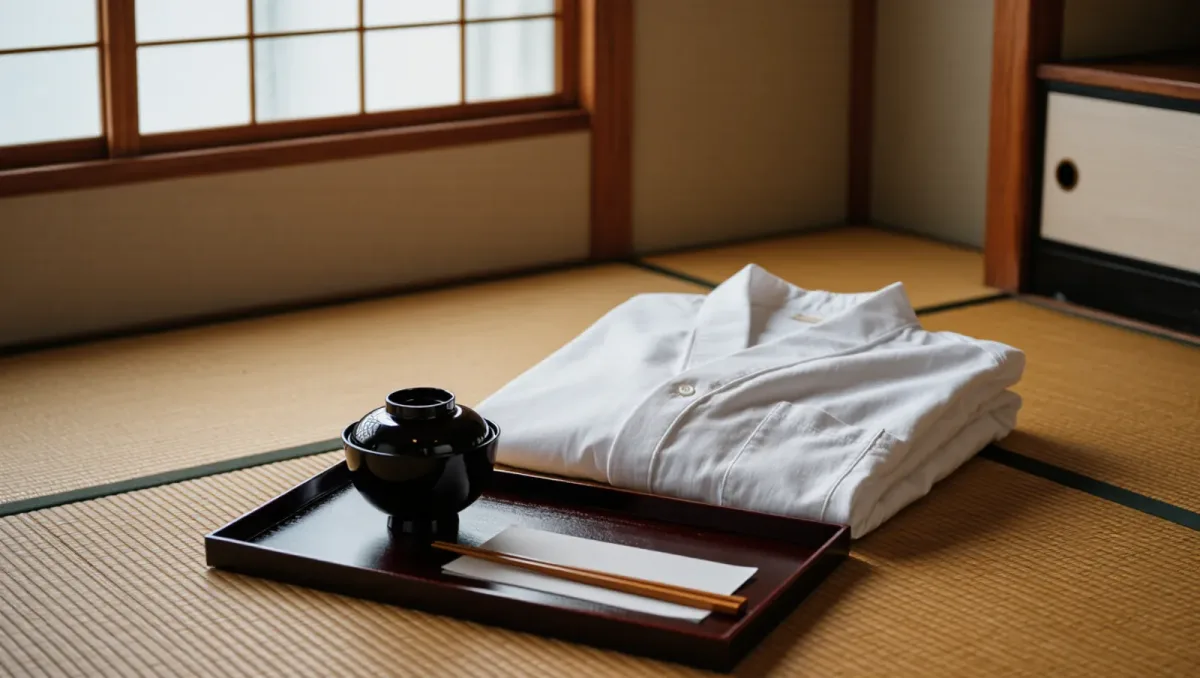
A ryokan is a Japanese inn built around tatami-floored rooms, futon bedding laid out by staff in the evening, and — at the classic end of the range — private or shared hot-spring baths. The full-board formula most kaiseki inns sell is the half-board plan: one night's stay with dinner and breakfast included. At kaiseki-level ryokan, that dinner is the headline. Courses follow the calendar — spring bamboo shoot, summer ayu sweetfish, autumn matsutake, winter crab — a seasonality the cuisine's own codified structure makes non-negotiable, per the structure documented in Japanese culinary references.
What does the evening actually look like?
The classic rhythm, at inns from Hakone to Kyoto and out to the onsen towns of Tohoku:
- Arrival, mid-afternoon. Shoes off at the genkan; tea and a sweet served in your room by the nakai — the room attendant who choreographs the stay. Bathing before dinner is the expected order.
- Dinner, typically 18:00 or 18:30. Served in-room or in a private room, course by course, over roughly two hours. The starter (sakizuke), a soup (wan), sashimi (mukozuke), a grilled course, a simmered course, rice, pickles and fruit or a sweet close the sequence, with regional variation.
- After dinner. A second bath — onsen towns empty into the water again at night — then the futon, laid while you dined.
- Breakfast. A Japanese breakfast of rice, miso soup, grilled fish and pickles, often the most underrated meal of the stay.
How much does a kaiseki ryokan night cost?
Published rates in 2025 at mid-range onsen ryokan with kaiseki dinner commonly ran from about ¥25,000 to ¥45,000 per person per night, with top Kyoto inns and famous hot springs well above that — ¥60,000 and upward at the celebrated names, per rate listings checked in 2025. The price includes the dinner, breakfast, the bath and the room; tax and bathing fees are usually added at checkout. Note that many ryokan price per person, not per room, and that single travelers are often quoted a surcharge.
What etiquette actually matters?
Less than travelers fear, and more than nothing. Three things carry weight. First, punctuality: kaiseki is served in sequence and in-room, so a late guest delays a scripted service — arrive at the stated hour. Second, dietary restrictions must be declared when booking, days ahead; kaiseki menus are built as a set, and dashi — the fish-and-kelp stock that runs through nearly every course — means a vegetarian or allergen-free version requires the kitchen to rebuild the entire menu, which good inns will do only with notice. Third, bathing order: wash and rinse outside the tub before entering the onsen, and leave the small towel out of the water.
Can you stay at a ryokan without taking the kaiseki dinner?
Yes — most inns offer a room-only or breakfast-only rate, and some towns make that a sensible choice: in Kyoto, kaiseki at the inn can be swapped for the city's restaurant rooms, though the celebrated Kyoto kaiseki houses themselves often require hotel-concierge or advance booking, per their published reservation notes. The counter-argument is practical: the ryokan kitchen is cooking for a small number of guests from the day's market, and that dinner is frequently the most distinctive meal of the trip. Travelers on a multi-night Japan itinerary often plan one kaiseki night and stay room-only elsewhere.
How far ahead should you book?
The famous names — and any inn during cherry-blossom season in late March and April, or the autumn foliage weeks of November — are routinely reserved months ahead, with popular onsen ryokan in Hakone and Beppu opening calendars far out for private-bath and room-with-open-air-bath categories. For a stay in high season, booking three to six months ahead is the working assumption, per inn booking policies as of 2025.
The practical details
Confirm before booking: whether dinner is served in-room or in a dining hall; the latest arrival time the kitchen will still cook for; dietary accommodation terms; onsen tattoo policies, which vary by property; and whether the inn runs a courtesy shuttle from the station, as many rural onsen inns do. All prices and policies in this guide reflect published inn information as of 2025 and should be reconfirmed directly.