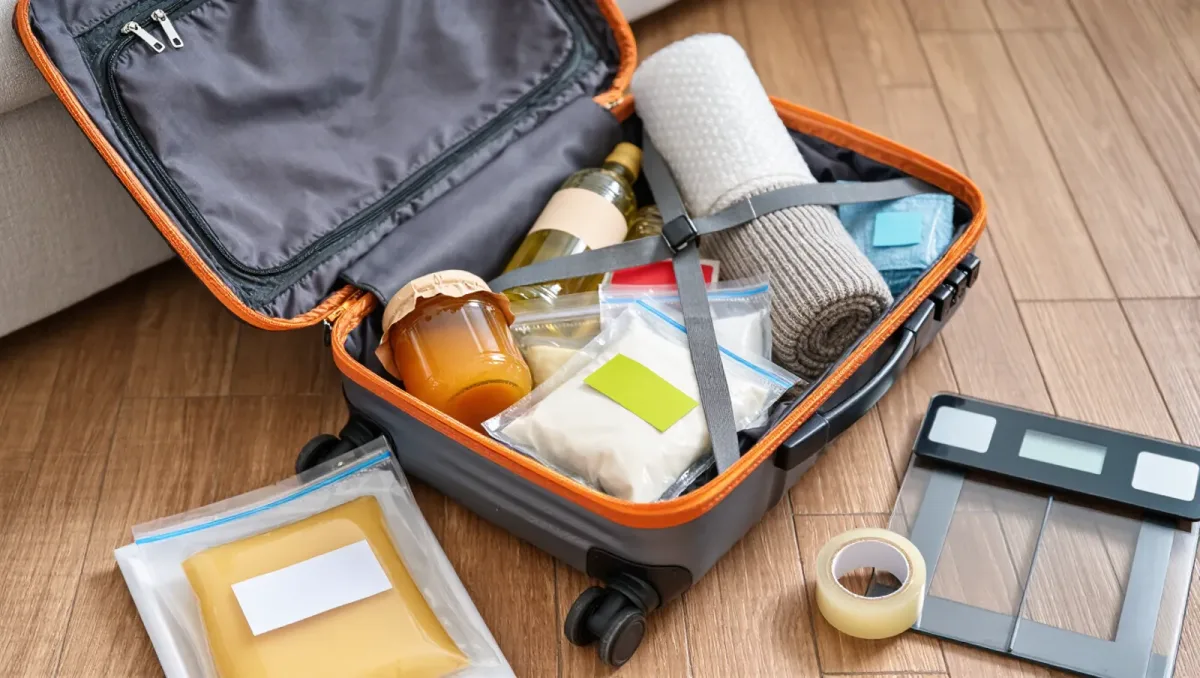
How to Pack Gourmet Souvenirs: Getting the Good Stuff Home Intact
Vacuum seals, jar caps, and the carry-on liquids rule decide whether the cheese and olive-wood honey arrive as gifts or as evidence — a packing manual for the traveling pantry.
Route-based guides for trips planned around food: which markets, producers and towns to link, the season justifying the journey, driving or rail times, daily budgets and where to stay between stops. Routes are traveled before publication. Written for people who plan a holiday around meals rather than sights.
Trips organized around eating.
Vacuum seals, jar caps, and the carry-on liquids rule decide whether the cheese and olive-wood honey arrive as gifts or as evidence — a packing manual for the traveling pantry.
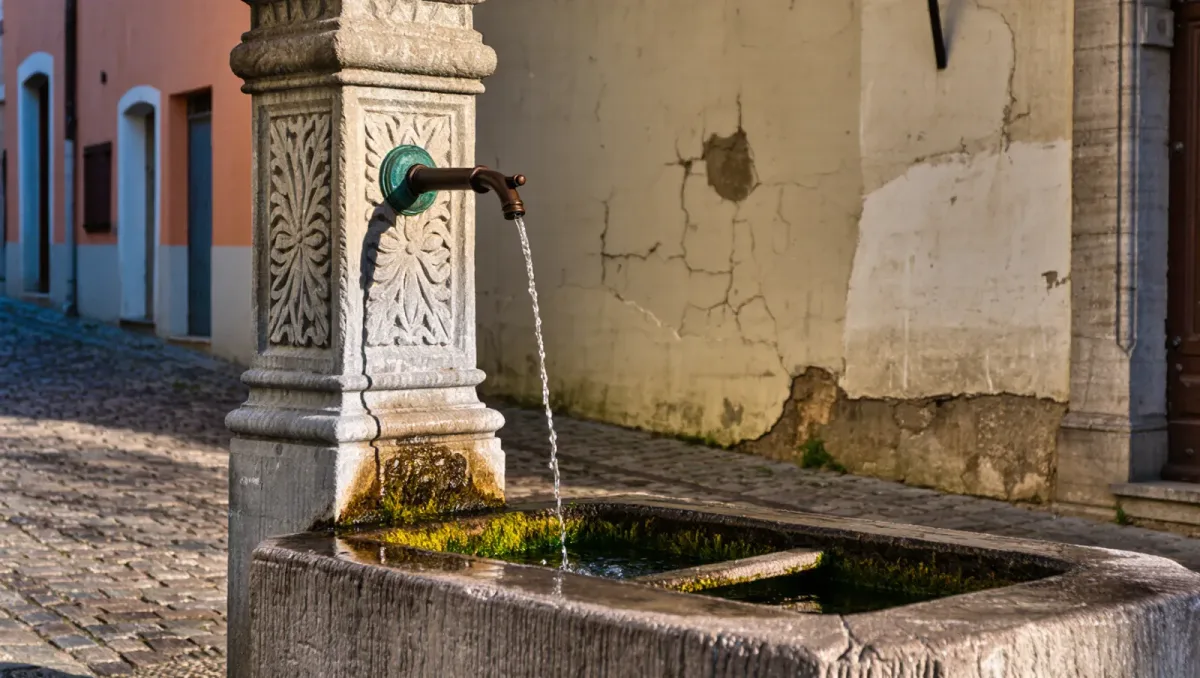
Tap water is safe across most of Western Europe, North America, Japan, and Oceania — elsewhere the rules are about ice, brushing, and bottled backups; here is how to tell, and what the CDC and WHO actually advise.
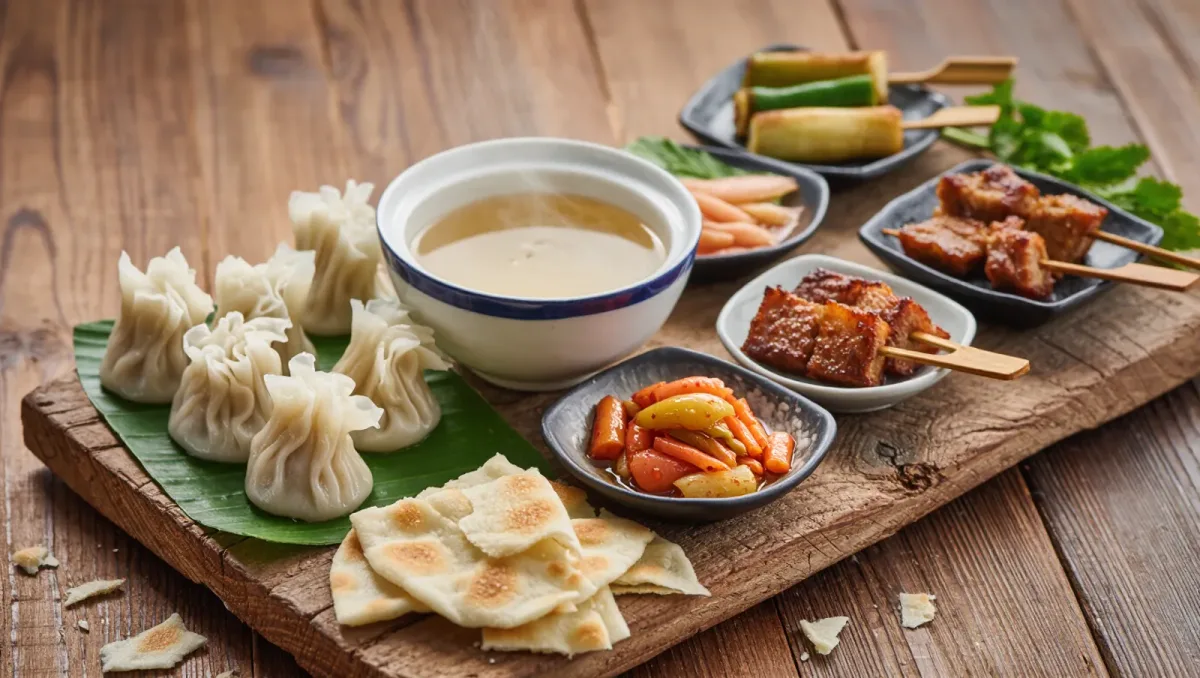
A good food walk buys orientation, access, and a guide's context in one evening — the best meals of a trip usually happen elsewhere, and that is exactly why the tour can still be worth it.
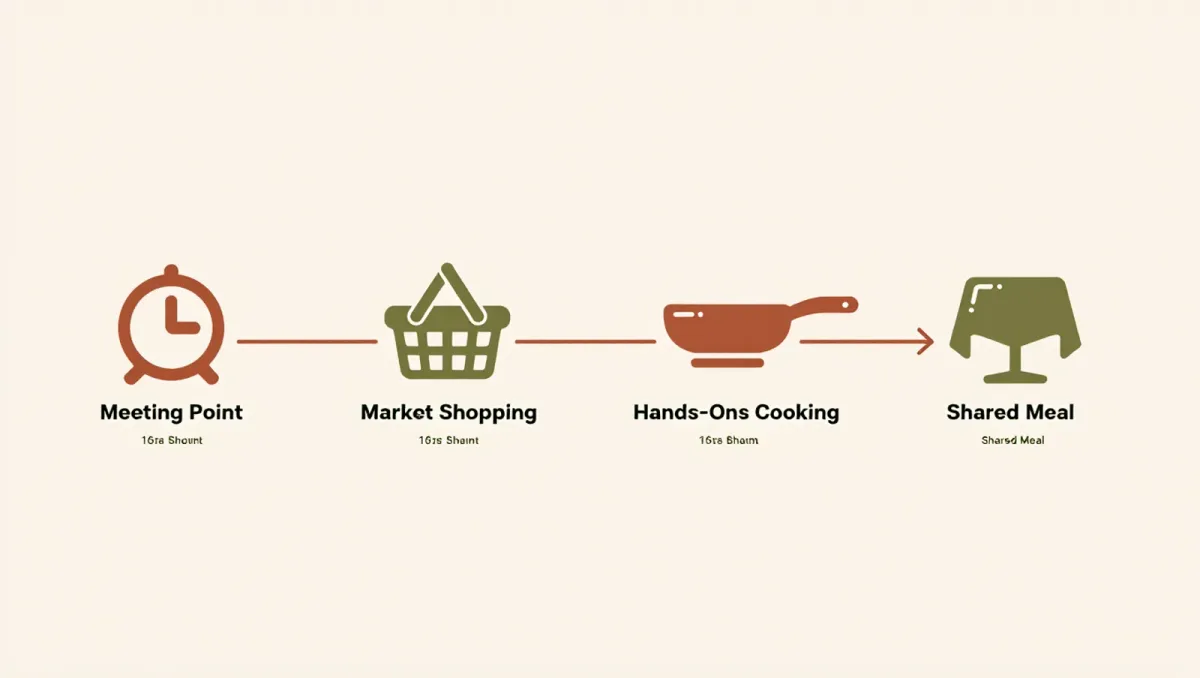
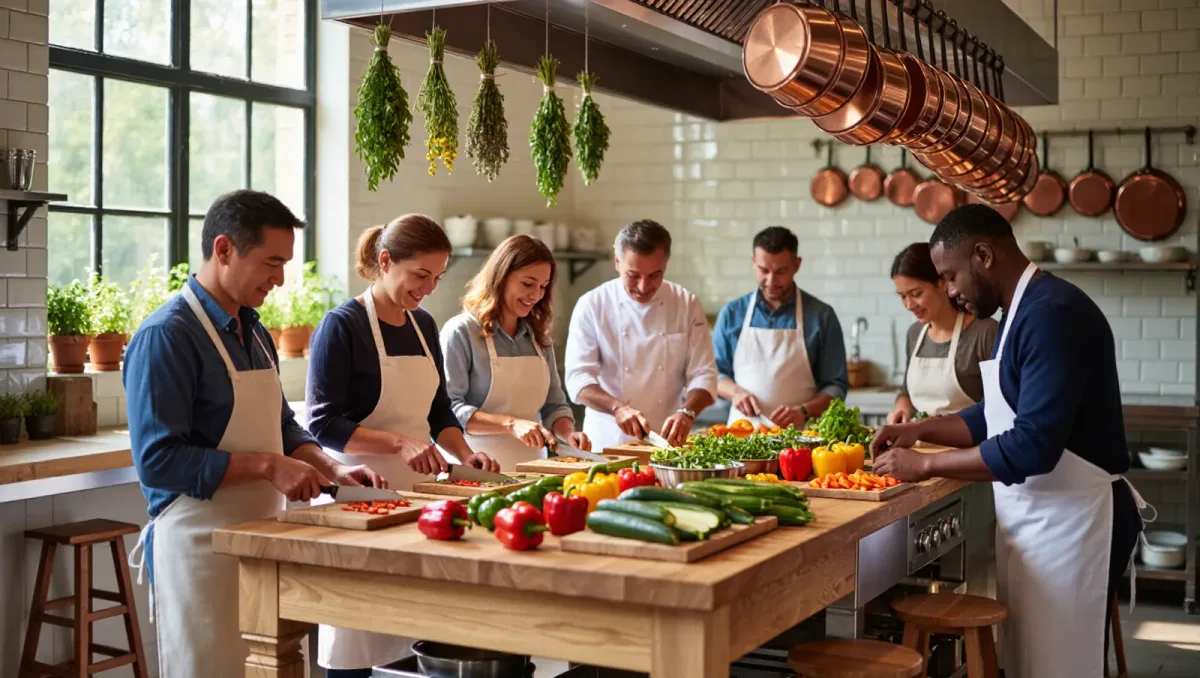
Most classes abroad run three to five hours, cost $50–$150, and end with the meal you cooked — a practical look at the mechanics of booking, what a class day involves, and the unwritten rules.
Day-long market-and-kitchen experiences start around $60; week-long guided food tours run $2,500–$5,000 — how to tell a working farm visit from a tourist conveyor, and what to ask before you pay.