Guides
Route-based guides for trips planned around food: which markets, producers and towns to link, the season justifying the journey, driving or rail times, daily budgets and where to stay between stops. Routes are traveled before publication. Written for people who plan a holiday around meals rather than sights.
Trips organized around eating.
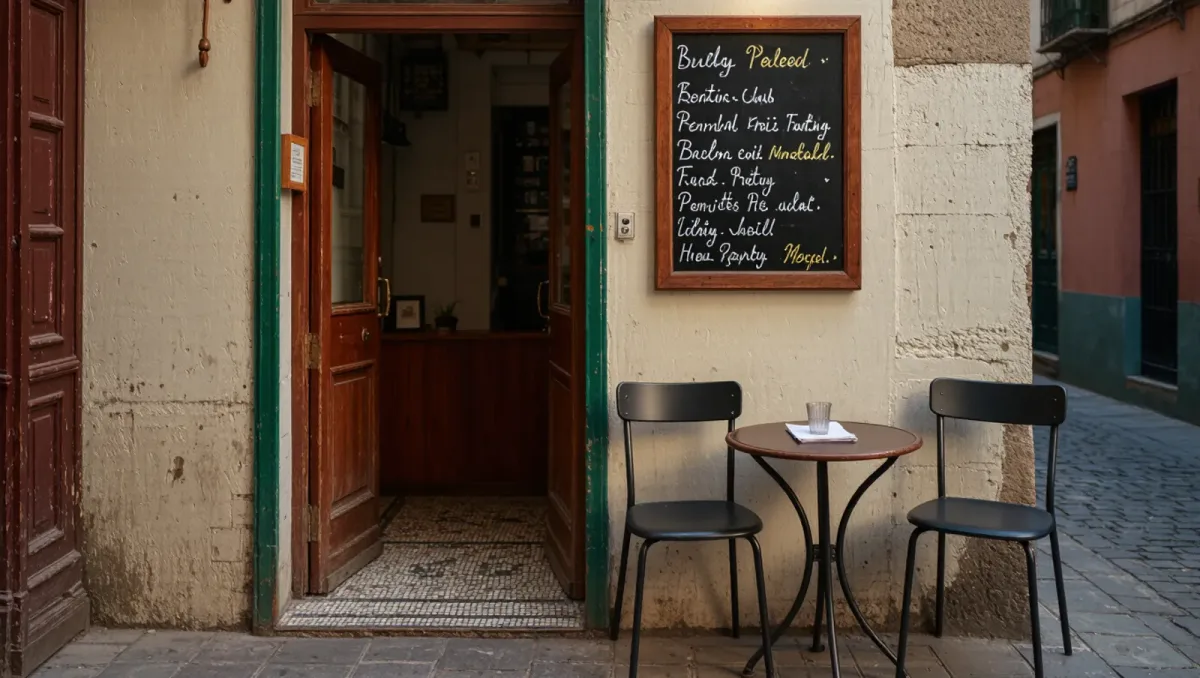
A camera-based translation app, twenty learned words, and the grammar of a cuisine's courses turn an unreadable menu into dinner — a practical system for eating well in any language.
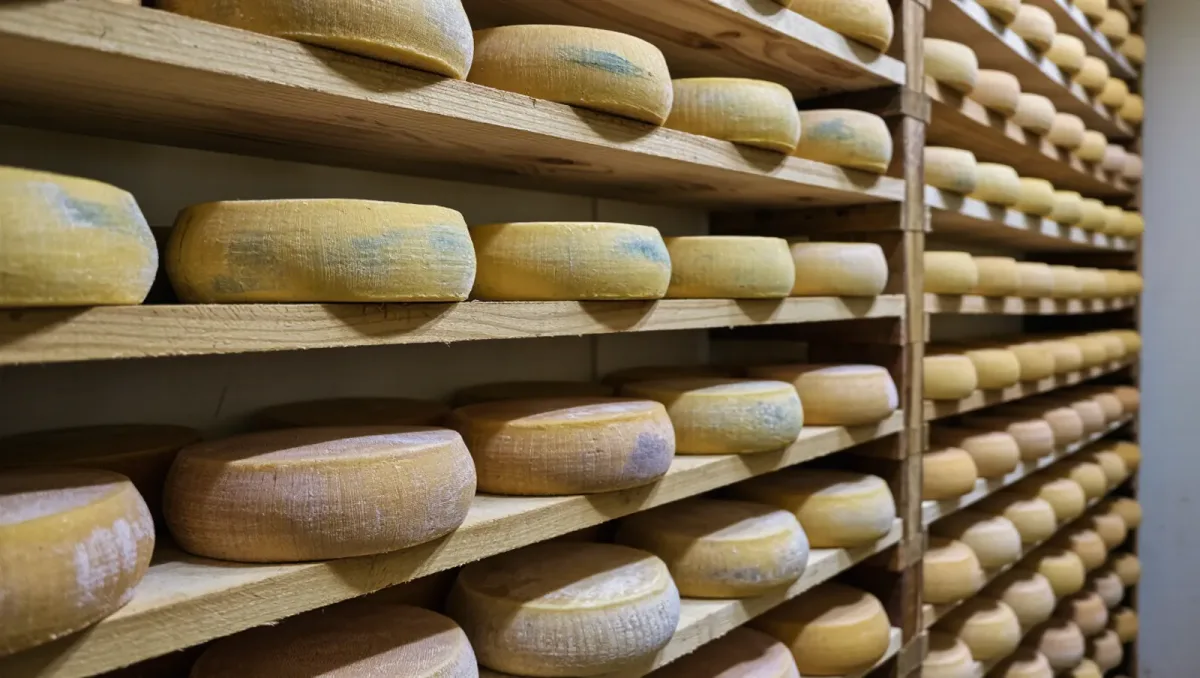
The make starts at dawn, boots matter as much as bookings, and the farm-gate wheel costs half the city price — the mechanics of visiting cheesemakers, dairies, and aging cellars.
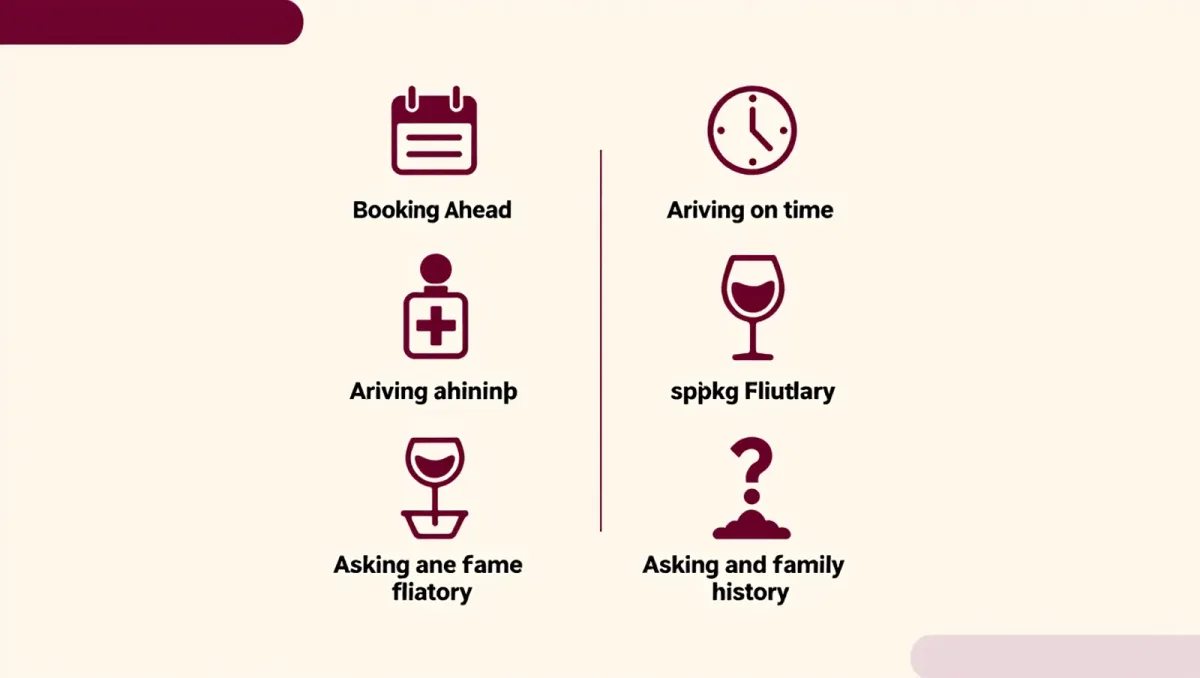
Small estates run on appointments, tasting fees run $10–$40, and one perfume or one missed cancellation can end the welcome — the practical mechanics of vineyard visits, from booking windows to spitting.
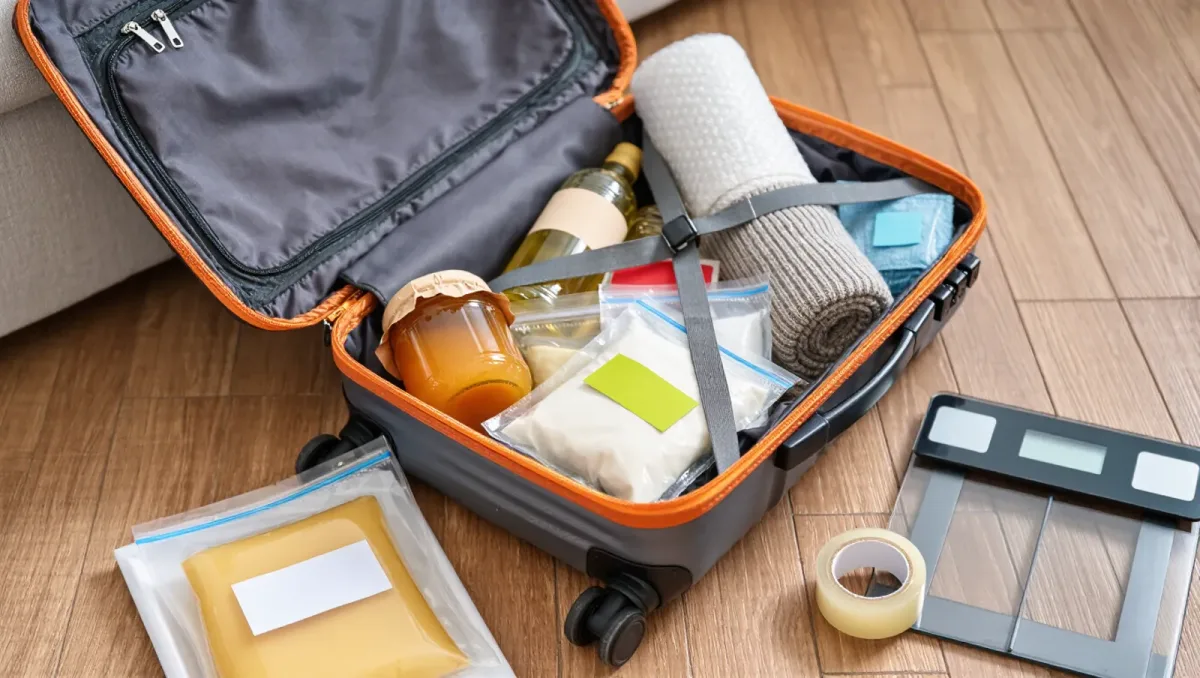
Vacuum seals, jar caps, and the carry-on liquids rule decide whether the cheese and olive-wood honey arrive as gifts or as evidence — a packing manual for the traveling pantry.
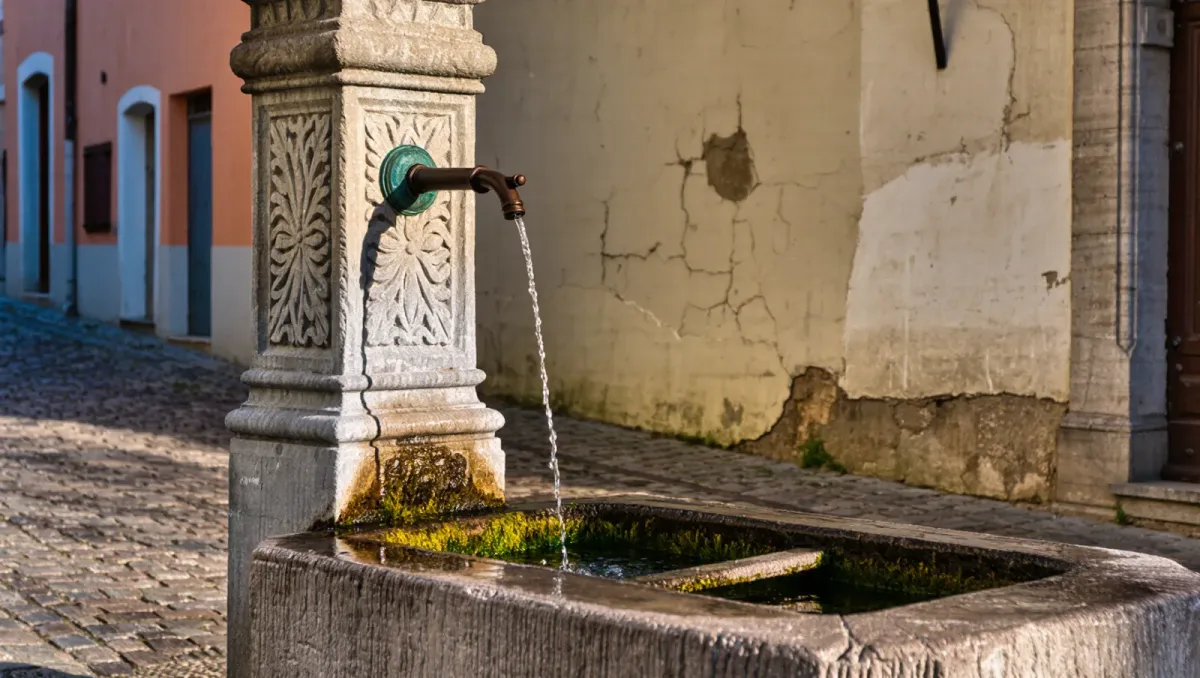
Tap water is safe across most of Western Europe, North America, Japan, and Oceania — elsewhere the rules are about ice, brushing, and bottled backups; here is how to tell, and what the CDC and WHO actually advise.
A good food walk buys orientation, access, and a guide's context in one evening — the best meals of a trip usually happen elsewhere, and that is exactly why the tour can still be worth it.