Shopping abroad in a rental kitchen is food travel's quiet superpower: home cooking from local ingredients typically costs a third of restaurant prices — a picnic lunch for two runs a fraction of the same neighborhood's café menu — and the supermarket aisle is one of the most honest cultural museums a destination keeps, showing what locals actually eat, pay, and stock, based on price comparisons across major travel destinations as of mid-2026.
This guide covers the mechanics of the traveling pantry: how foreign supermarkets and markets are organized, the hours and habits that catch visitors out, what to do with a rental kitchen on arrival, how to shop for a week without waste, and the balance — the picnic, the one-pot dinner, the splurge meal — that makes self-catering a food strategy rather than a budget sacrifice.
Why shop abroad at all?
Three reasons stack. Money: even replacing a third of restaurant meals with market-and-kitchen cooking cuts a trip's food budget roughly in proportion, and longer trips compound the arithmetic. Health and rhythm: a kitchen absorbs the early jet-lag days, the dietary needs, and the day the traveler wants soup, not another tasting menu. And the cultural case, which food travelers underrate: the regional supermarket's shelves — the yogurts, the preserved fish, the breakfast habits, the snack aisle nobody exports — document a country's home eating more plainly than any restaurant, and the market's produce section is the local calendar printed in fruit.
What kinds of stores will you meet?
The international families: hard discounters (the Lidl-Aldi model) and hypermarkets span Europe and beyond with the lowest prices and the most local sourcing; national chains vary by country but share the weekly-flyer habit. The formats differ by region: Europe layers discounters, supermarkets, and the corner shop; Japan's konbini are a food culture of their own — fresh onigiri, egg sandwiches, and hot cabinets at quality no visitor expects; Southeast Asia runs on markets first, malls' basement supermarkets second; North America's large-format stores sell more food per trip than a visitor needs. Markets complete the picture: covered municipal markets for produce, cheese, and butchers, and open-air street markets on set days — the market list and the supermarket list do different jobs and belong to the same week.
What catches visitors out — hours, bags, and scales?
The classic traps are administrative. Hours: much of Europe still closes shops on Sundays and at midday in smaller towns; holidays close everything; and market days are not daily — the town's market calendar is worth checking before planning a picnic. Bags: many countries charge for carrier bags as policy — pack the foldable totes. Produce: in much of Europe you weigh and label your own vegetables at the department scale, and gloving up at the loose produce is mandatory in some stores; skipping the sticker earns a supervisor's escort at checkout. Deposits: bottle-deposit systems (the pfand model) put real money on each container — returnable or refundable by machine. Checkout: self-scanning and self-checkout dominate; weighing your own loaves wrong is the normal tourist experience, forgiven once.
How do you work a rental kitchen?
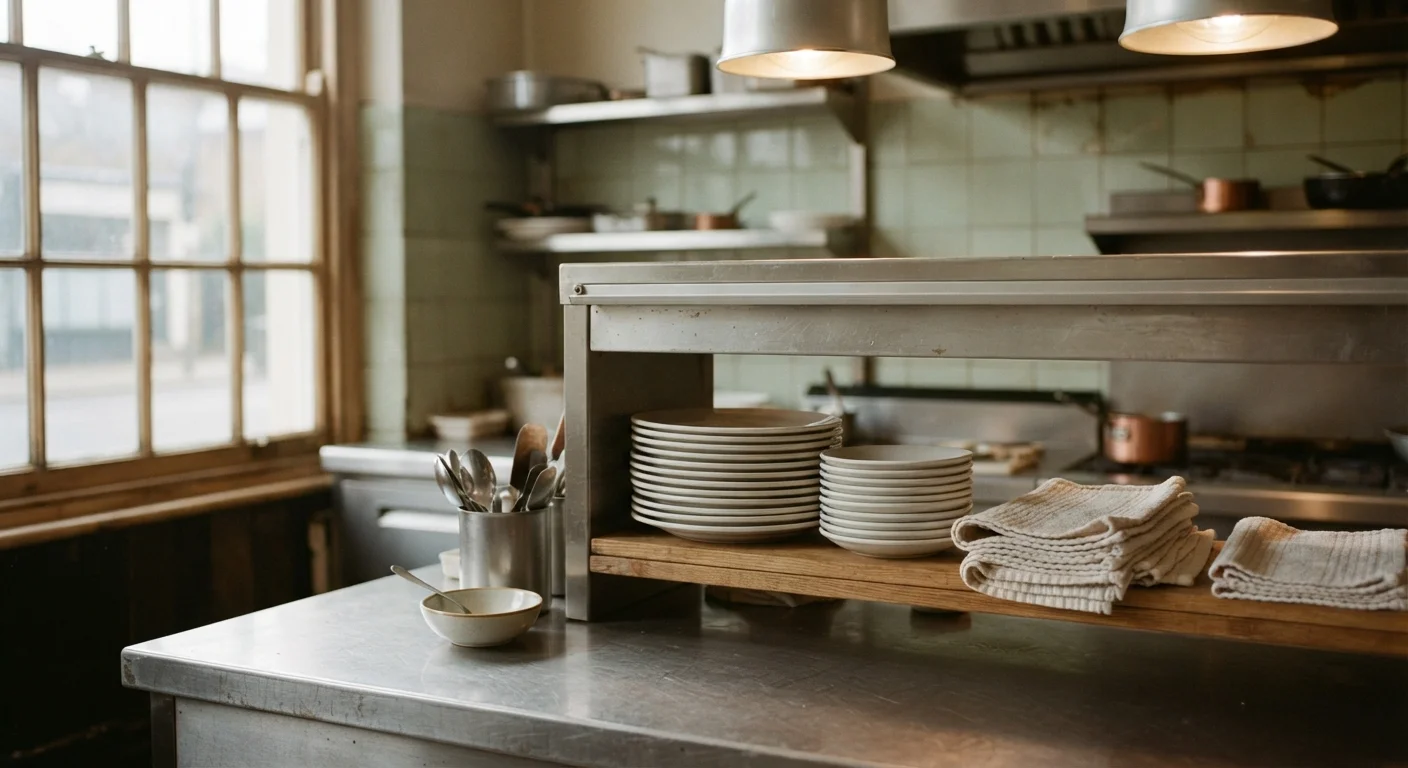
Audit before you shop: open every cabinet and drawer, and buy nothing the kitchen already has — rental pantries typically hold salt, oil, some spices, tea, and enough pans for one pot at a time, and leaving your own staples behind at checkout is the polite convention of the category. Check the cold chain and the coffee situation, which decides the first morning. Then shop for the trip's shape: arrival-day supplies (breakfast, fruit, wine, snacks), a picnic kit (bread, cheese, charcuterie, tomatoes), and the ingredients for one planned dinner — the one-pot meal is the rental kitchen's natural form, since rentals run on two burners and one good knife at best.
Waste is the discipline: shop for two days at a time in a small rental fridge, and let the last morning's omelet be the trip's cheap goodbye.
What does a good self-catering week look like?
The balance that works for most food travelers: breakfasts at home daily, picnics most days, one or two cooked dinners, and restaurant dinners the rest — with the money saved spent where it counts. The picnic is the format self-catering was built for: market bread, regional cheese and cured fish, fruit, and a bottle from the same counter, carried to a park, a riverbank, or a train. The cooked dinner is the experiment slot — the dish you saw at the market that no restaurant is serving. And the grocery haul itself is the souvenir run: oils, preserves, and spices bought at supermarket prices, packed per our gourmet-souvenirs guide, cost half the airport's gift-box versions.
What do locals buy, and should you copy them?
Copy selectively. The till is a reading list: watch what lands on local belts — the yogurts, the preserved fish, the breakfast pastries, the store's own brand — and try the cheap versions of local staples, which discounters sell at prices that embarrass souvenir shops. Do not copy the bulk logic: local households shop weekly for families with full kitchens and a car, while the traveler shops for two days and a two-burner stove. The middle path is the market-plus-supermarket week — produce, bread, and cheese from the market where provenance is visible; staples, drinks, and breakfast from the discounter where price is — and the discipline to buy fruit only in the amounts you will actually eat on a train.
The picnic deserves its own planning paragraph: assemble it at the morning market — bread, a hard cheese, a cured fish or sausage, fruit that travels, and a small knife or ask for the cheese cut picnic-ready — and it outperforms any café within a mile of a view. Paper, a corkscrew, and wet wipes live permanently in the day bag; the picnic lunch is self-catering's best argument, and it needs no kitchen at all.
Frequently asked questions
How much money does self-catering actually save? Rule of thumb: cooking breakfasts and a third of other meals cuts a trip's food spending by roughly a third, more on long trips — the exact figure depends on destination, with restaurant-heavy countries offering the largest savings.
What if the rental has no kitchen? The pantry logic still works one shelf down: konbini breakfasts, market picnics, and a hotel-room cooler for cheese purchases cover most of the same ground without a stove.
Are foreign supermarkets worth visiting without cooking? Yes — the snack aisle, dairy case, and preserved-fish wall are a working museum of home eating, and the souvenir prices beat the airport's. Bring the foldable bag and read the labels slowly.