Decoding a foreign menu is a solved problem with three layers: a phone's camera-translation tool — the built-in translate apps now render a photographed menu in seconds, and their language packs download for offline use — plus the twenty or so words that carry a cuisine's grammar, plus the structure most menus obey no matter the language. A traveler with all three orders deliberately in any city; a traveler with none orders the dish with the friendliest cognate and hopes.
This guide builds the system: how to use translation tools well and where they fail, which words to learn before any trip, how each cuisine's menu architecture tells you what a dish is before you read it, and the etiquette of asking — which works in more places than travelers expect. It publishes information, not app endorsements; tools change yearly, and the principles hold longer.
How do translation tools work on menus — and where do they fail?
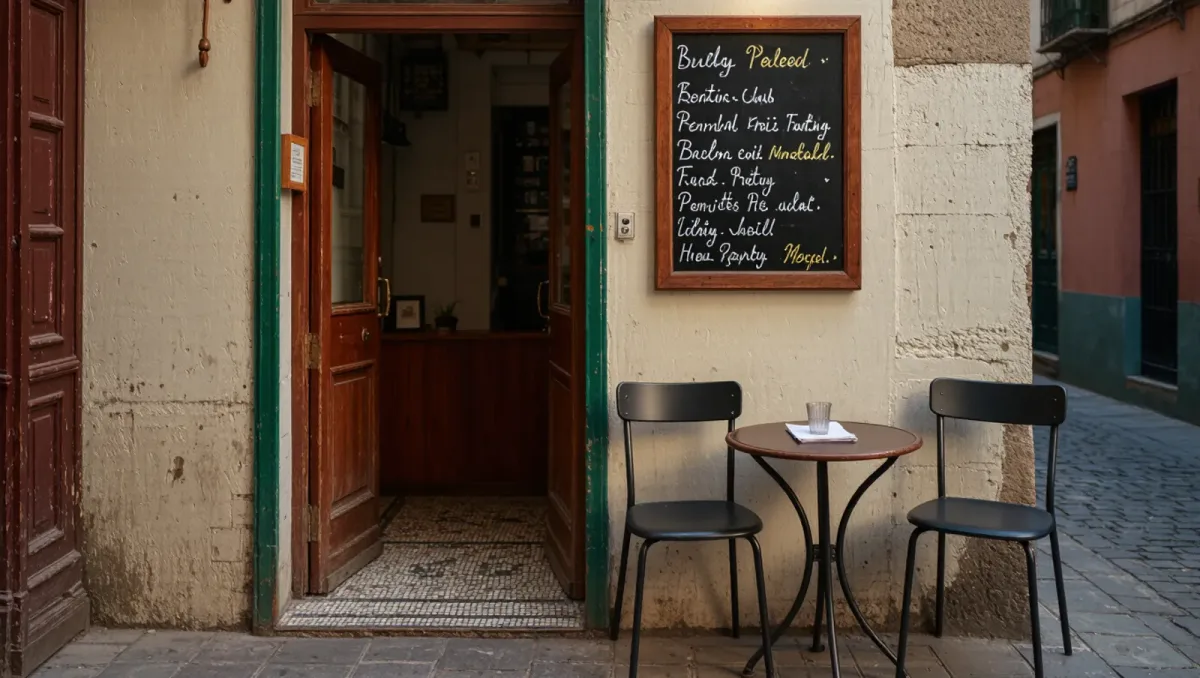
The mechanics: open the translate app's camera mode, point it at the menu, and the rendered translation overlays or re-displays the text; the same apps handle photographed menus after the fact, and downloaded offline packs cover the dead-signal basements where the best restaurants live. The failure modes are consistent. Handwritten and chalkboard menus defeat optical recognition; descriptive poetry — a Catalan or Japanese menu's adjectives — comes out as word salad; and translation tools miss the cultural unit: the app will render "fideos secos" as "dry noodles" without telling you it is a baked pasta casserole, and "omakase" as "entrust" without telling you the price is open-ended.
The professional habit: translate first, then sanity-check the proteins and cooking words against a second source — the phrasebook section of the same app, the menu's pictures, or the table next to you. Tools narrow the question; they rarely close it.
Which words are worth learning?
Twenty words per cuisine reorganize the whole menu. The non-negotiables: the proteins you will not eat (the local words for offal, for the animal you avoid), the cooking verbs (grilled, fried, braised, raw), the words for common allergens — nuts, shellfish, dairy — and the two service words that order everything: water and the bill. Beyond safety, learn the cuisine's signature nouns before arrival: the noodle types in a Japanese town, the mole family in Oaxaca, the cured-pork vocabulary in Spain. The learned word does double duty at the counter — a customer who orders in the local term is served more precisely and treated more locally, at markets especially.
The reading rule that beats memorization: menus repeat. A city's thirty restaurant menus share a few hundred words; two days in, the translation app is needed for the verb you have never seen, not the dish you have.
How does menu architecture reveal the dish?
Cuisines have grammars, and the menu is their sentence. French and Italian menus run by course structure — antipasto to dolce — and the section tells you the dish's size before its name does. Spanish menus run by portion: tapas, raciones, medias — the word on the left is the quantity. Japanese set meals list components in order — soup, rice, pickles, main — and the set name is the fish or meat. Menus across the Middle East and the Caucasus run by cooking method — grill, oven, stew — which is the word to find. And in much of Asia, the stall or restaurant's specialty is the section with the longest list: volume is the menu's own emphasis mark.
Learn the grammar once per cuisine and the app's role shrinks to vocabulary — which is where translation is reliable.
What are the commonest false friends and traps?
The category, not the word, is where ordering goes wrong. "Salad" in some cuisines is a cooked dish; "bread" arrives as a cover charge in Italy (the coperto — printed at the bottom, not a scam); "tea" in Lisbon means what chai means elsewhere, and vice versa across Asia; "medium" is a steak term that dissolves in countries that cook cuts differently; and the menu's pictures are honest but sized for the local table — a picture dish may feed three. Set menus carry their own traps and their own value: the tourist-formula menu at a gate costs double for the same kitchen's daily menu at the bar, printed in the local language — the most reliable trick in European eating remains reading the handwritten board.
When should you just ask?
More often than travelers do. The phrases that work across service cultures: "What do you recommend?", "What is popular?", and the honest "What is this?" pointed at a word — staff answer all three happily in nearly every restaurant culture on earth, and the answer comes with an opinion, which no app provides. Pointing is an accepted language at counters and market stalls everywhere; a translation app's typed exchange handles the rest. The failure case is rare but real: in some formal cultures, the table's conversation belongs to the diner's language, and the waiter's English exists but waits to be requested politely first.
What about dietary needs in the local language?
Allergies deserve more than a translated sentence: a written card in the local language — prepared at home, printed, carried in the wallet — naming the allergen, its common hiding places in that cuisine, and the phrase for a medical emergency, is the standard travel-health advice. Hand the card at ordering, confirm verbally, and prefer kitchens with a counter you can see. Vegetarian and religious dietary vocabularies are worth the same preparation, since 'meat' and its exclusions are culturally defined — the words for broth, lard, and fish sauce do the hidden work in half the world's kitchens.
None of this replaces the first-day walk through a market, where the vocabulary teaches itself at eating speed — the menu, the stall, and the counter grade each other, and by week's end the app lives in your pocket, not on your table.
Frequently asked questions
Do translation apps work offline? Yes — the major apps' language packs download before travel, which matters because the characterful restaurants are disproportionately in basements, alleys, and old towns where signal fails.
How many words should you learn before a food trip? About twenty carries a menu: proteins to avoid, cooking verbs, allergens, water, and the bill — plus the cuisine's signature dish names, learned at home where explanations are cheap.
Is pointing at other tables rude? Not in most cultures — at counters, markets, and casual rooms, "that one, please" is the oldest ordering system there is. In formal dining, ask the waiter to explain instead; the same information arrives with better manners.