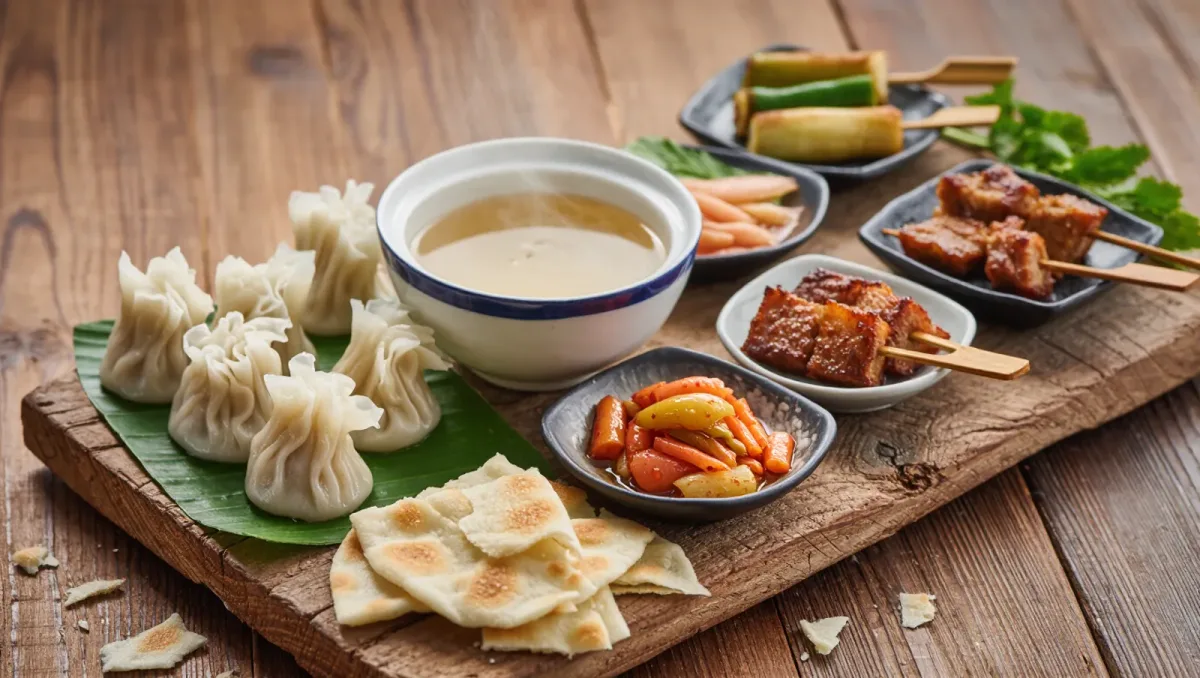
Food tours are worth it when they do what no guidebook can: give a visitor three hours of a resident's food geography, stop at places closed or unintelligible to outsiders, and compress a neighborhood's eating into one evening. On price, the market makes the question concrete — guided tasting walks typically run $50 to $90 per person for two-and-a-half to four hours and five to eight stops, per published listings across major food-tour cities as of early 2026 — and whether that money is well spent depends less on the city than on timing, guide, and what you want from the trip.
This guide argues the honest case both ways: what a food tour genuinely delivers, what it cannot, how to tell a good one before booking, and the strategy — first night, small group, specialist theme — that turns a decent tour into the best $75 of a trip.
What does a food tour actually buy?
Three things, and the first is the most underpriced. Orientation: a guide's route through a market or district teaches you which stall does what, which words to use, and how the ordering works — knowledge you spend for the rest of the trip. Access: the back-room tables, the family counter that seats twelve, the third-generation shop with no sign — stops a visitor will not find, and in some cities cannot enter, alone. Context: why this noodle in this neighborhood, whose grandmother's recipe, what the dish means — the difference between eating well and understanding what you ate.
A fourth benefit arrives free with any of the three: a plan. Most travelers leave a food walk with a list — the bakery to return to, the bar the guide named — which is the tour quietly writing your next two days.
What can't a food tour do?
It will not give you the best meal of your trip, and expecting it to is the category's commonest disappointment. Group logistics cap the stops at sit-down-and-taste formats; the transcendent solo discoveries — the unmarked counter, the two-soup shop, the kitchen that opens at midnight — need return visits, local tips, and luck. Tours also average: with eight stops to serve eight palates, the menu plays safe, and dietary accommodations thin the tasting further. And the arithmetic is blunt: $75 buys about three restaurant courses, so a tour must earn its price as an experience, not a meal.
The fix is expectations: treat the tour as a map, not a menu, and the value equation flips.
When is a food tour most worth it?
Timing first: take it on day one or two. Orientation compounds — a tour on the first evening pays dividends every meal after, while a tour on the last night is a pleasant recap. Destination second: tours earn their price where language, layout, or access create real barriers — Hanoi's street alleys, Marrakesh's medina, Tokyo's six-seat counters, Oaxaca's markets — and earn least in walkable, well-documented cities where the blog trail already does the guiding. Traveler third: first-time visitors, solo travelers, and short-stay visitors get the most; week-long residents of an Airbnb with a kitchen and a market guide get the least.
How do you tell a good one before booking?
The tells are in the listing. Group size stated and small — under ten, ideally under eight — is the single best predictor. A named guide with a stated background beats "local foodie" every time. A written route — neighborhoods named, the kind of stops listed — signals a designed experience rather than a stroll to friends-of-the-operator. Reviews that name the guide and describe what was learned beat reviews that name the food. And pricing says something too: suspiciously cheap tours monetize the stops; the clean model is you pay the operator and the venues are chosen, not the reverse. Beyond the listing, one question sorts the field: "What will we try that we couldn't order ourselves?" A good operator answers in a sentence; a weak one answers in adjectives.
Which tours are worth paying more for?
Specialist themes carry more value per dollar than general eats: a single-dish walk — dumplings, tacos, vermouth — goes deeper than a greatest-hits circuit, and the guides who lead them are usually enthusiasts first. Family-operator tours in the guide's own neighborhood beat company tours in the tourist quarter. Market-morning tours outvalue evening tours in most cuisines — producers, buyers, and breakfast counters beat the happy-hour circuit. And in food cities with a strong home-cooking tradition, a combined market-and-kitchen walk often outvalues the pure tasting walk, because half the day's value is the shopping lesson.
What about private tours?
Private food walks typically run two to three times the group rate and change the product accordingly: the route bends to your tastes, the pacing drops, and dietary limits stop being compromises. The value case is narrow but real — multigenerational groups, serious dietary needs, travelers with two nights and a mission — and wasted on couples who would enjoy the same guide in a group of six. If a private version is on the table, ask what changes besides exclusivity; the good operators answer with a redesigned route, not a smaller crowd.
Two last habits separate the tourists from the travelers on any tour. Ask the guide where they ate this week — the answer is always the best stop you weren't taken to. And book the follow-up: every good walk ends with more recommendations than time to use them, and the travelers who act on them, tonight, get the trip the tour was advertising.
What about private tours?
Private food walks typically run two to three times the group rate and change the product: the route bends to your tastes, pacing drops, and dietary limits stop being compromises. The value case is narrow but real — multigenerational groups, serious dietary needs, travelers with two nights and a mission — and wasted on couples who would enjoy the same guide in a group of six. If a private version is on the table, ask what changes besides exclusivity; good operators answer with a redesigned route, not a smaller crowd.
Frequently asked questions
How much do food tours cost? Indicative 2026 ranges: $50–$90 for a guided tasting walk of two-and-a-half to four hours in most major cities, with premium destinations and specialist themes running above that and Southeast Asia well below.
Should you take a food tour at the start or end of a trip? The start. Orientation compounds: the markets, ordering phrases, and named stops from a first-night tour improve every meal that follows.
Are food tours good for families? Smaller-format and daytime market tours work well with children from about eight up; evening multi-stop crawls less so. Check the operator's age policy, which varies more than any other listing detail.
Can you replicate a food tour without one? The eating, yes; the access and context, rarely. A well-researched list gets you the famous stops — the tour's honest product is the map in the guide's head and the doors it opens.