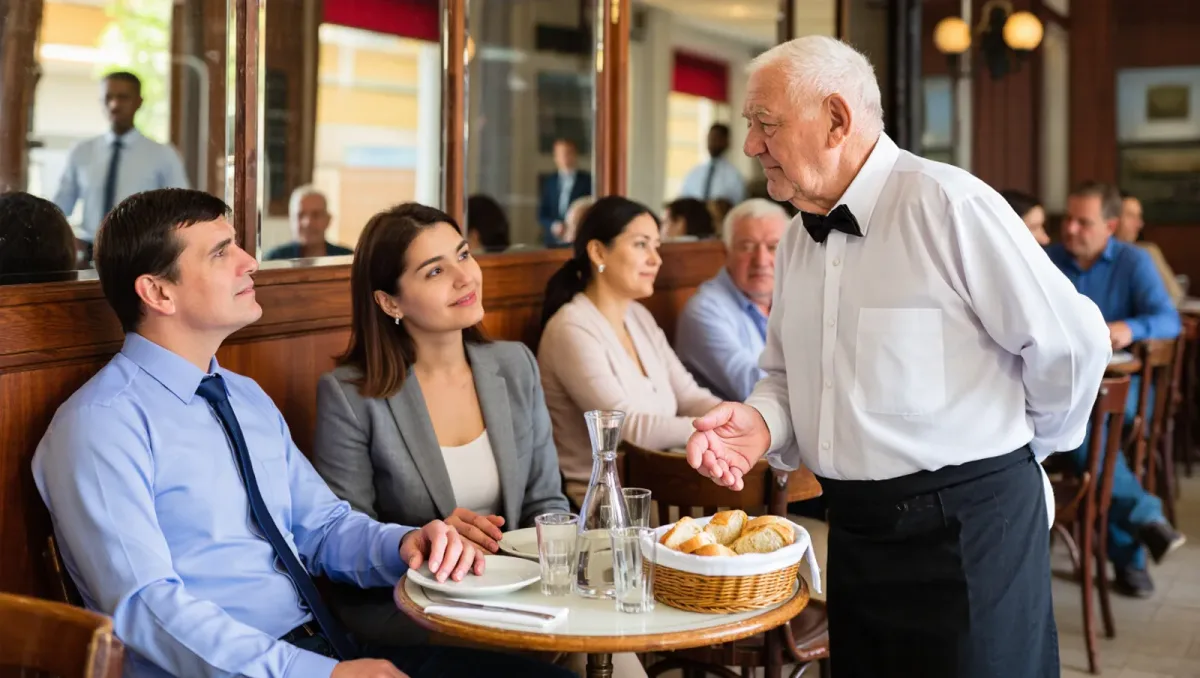
Plat du Jour: France's Formule Midi and the Art of the Working Lunch
Entrée, plat, a glass of wine and coffee inside an hour — France's midday formule is the country's real daily cuisine, and it welcomes any traveler who arrives before one.
Where to eat on the road: family dining rooms, market counters, bakeries, wine rooms and the occasional tasting menu. Entries give the dish justifying the stop, cost per person, booking lead time, closing days and the detour distance involved. For travelers deciding whether a meal is worth an hour of driving.
Restaurants, bakeries, wine rooms and market counters covered with the dish to order.
Entrée, plat, a glass of wine and coffee inside an hour — France's midday formule is the country's real daily cuisine, and it welcomes any traveler who arrives before one.
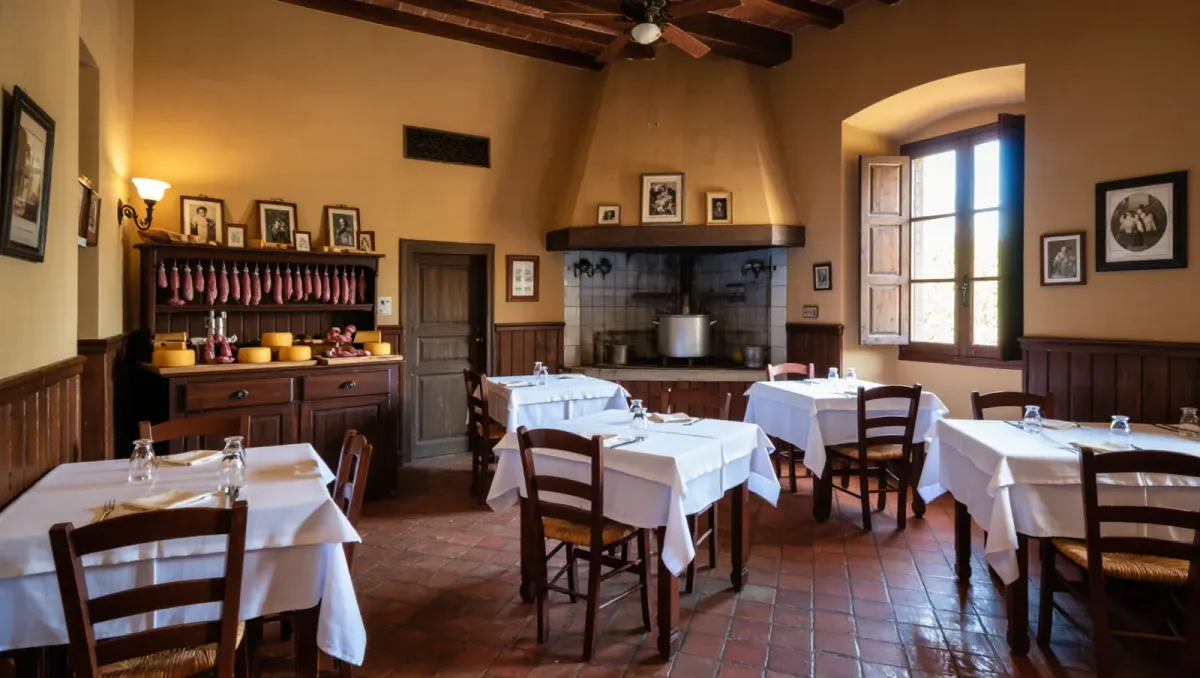
Ragù simmered since morning, four courses and no hurry — the Sunday pranzo is Italy's most protected institution, and travelers can sit at its table.
From Kyoto's referral-only counters to Paris's 15-day dash and New York's 30-day drop, each great food city runs its own booking clock — and they rarely align.
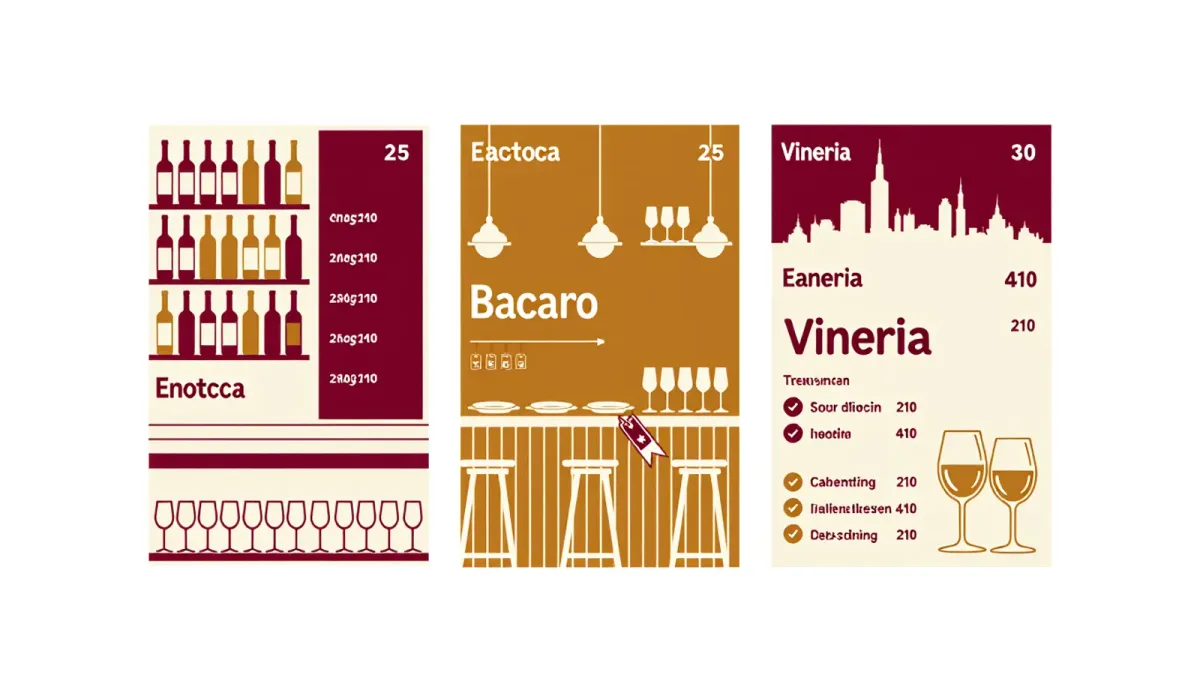
Part wine shop, part bar, part classroom — the enoteca is Italy's most civilized drinking format, and its cousins run from Venice's bacari to Rome's vinerie.
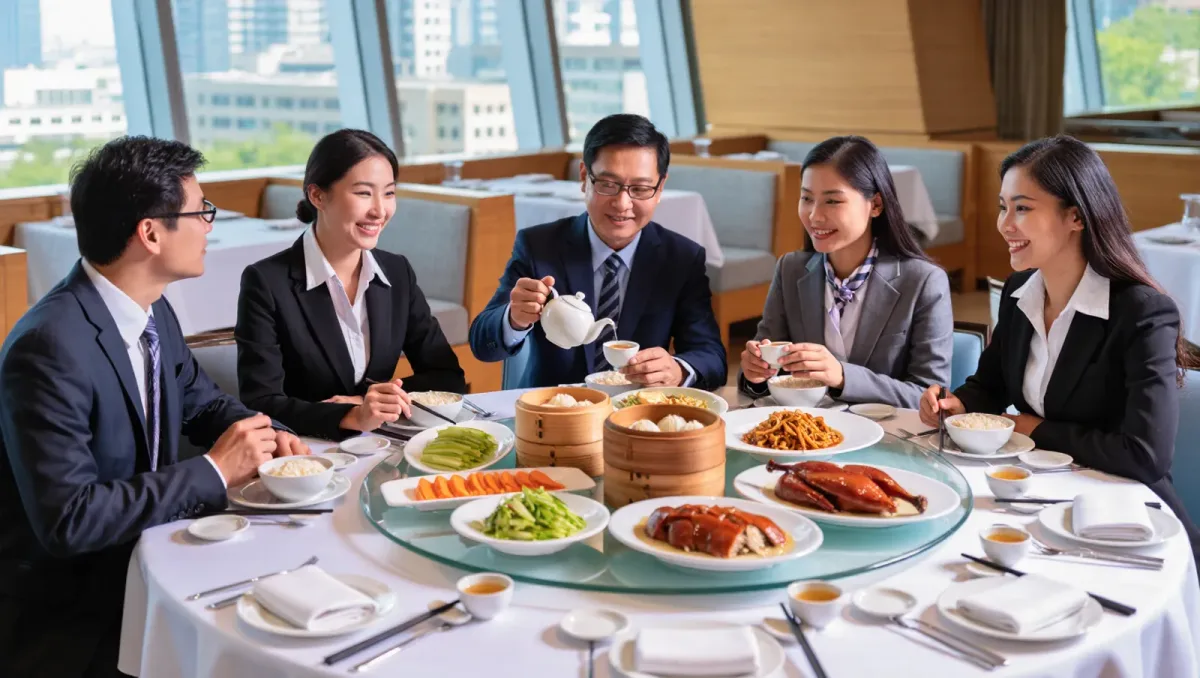
From Hong Kong dim sum carts to Tokyo teishoku counters and Shanghai round tables, Asia's business lunch runs on rules a traveler can learn in a day.
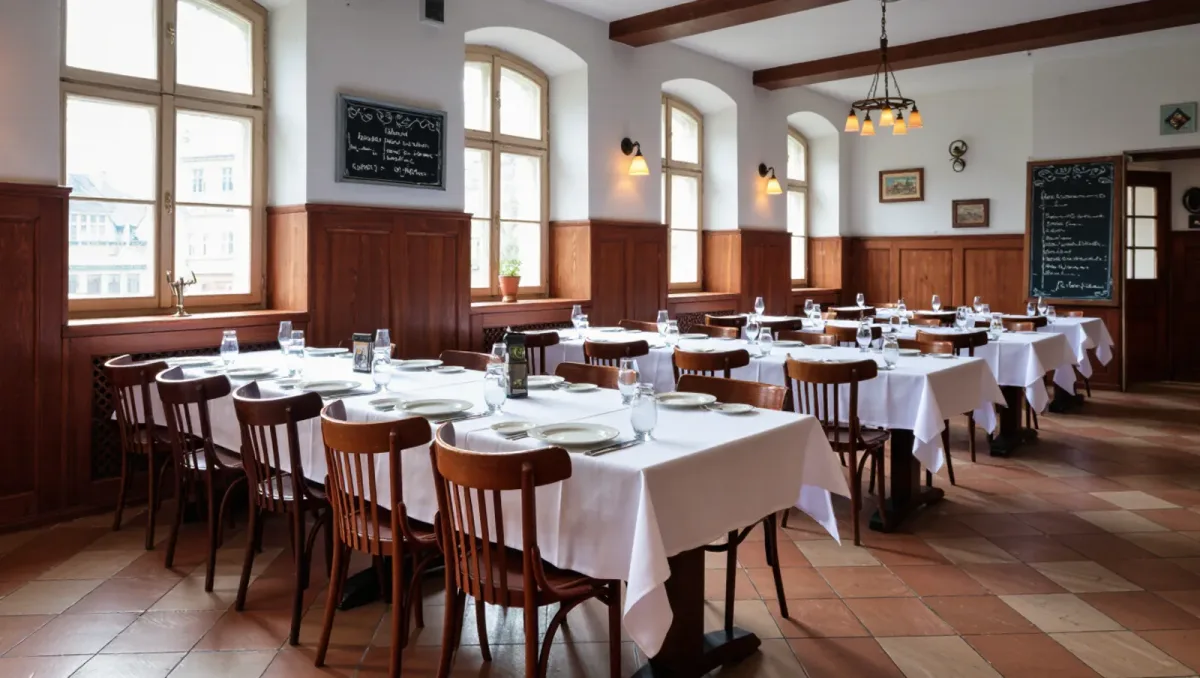
One dish, one price, noon until two — the Mittagstisch is Germany's working lunch, and it remains the most honest meal a traveler can order in the country.