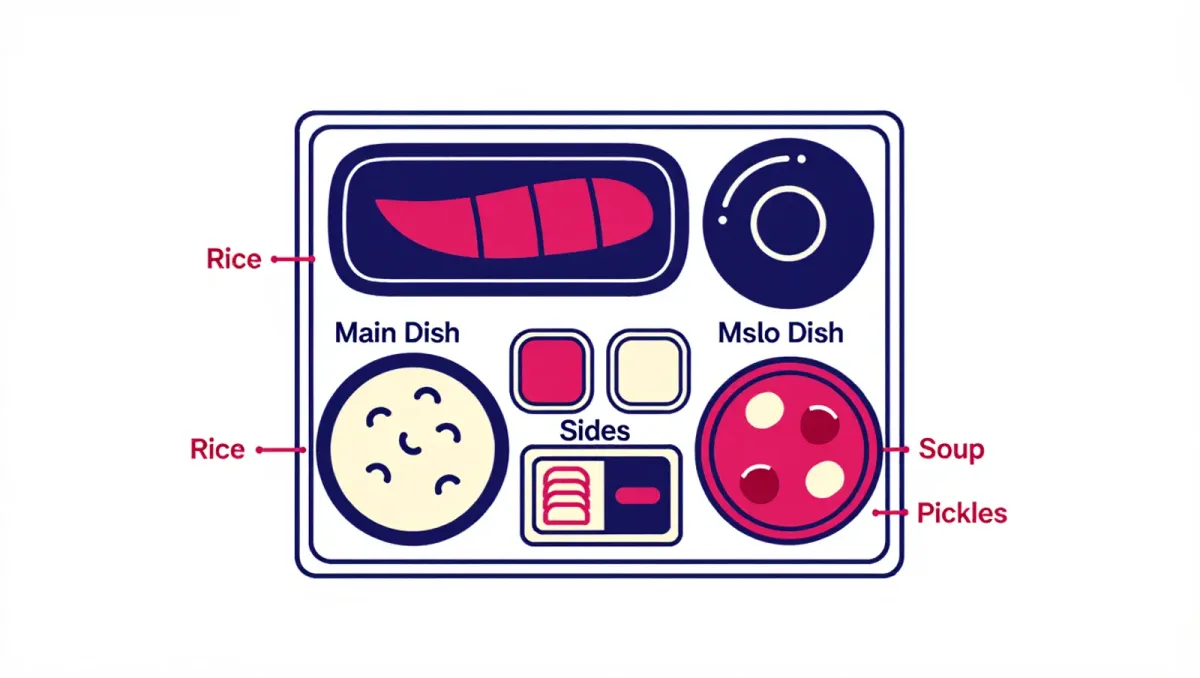
A teishoku set lunch in Japan commonly costs between ¥900 and ¥1,600 — per published menu listings across Japanese cities in 2025 — and arrives as a single lacquered tray holding the country's most complete meal: rice, miso soup, a main dish, one or two sides, pickles. The format descends from ichiju-sansai, the classical structure of one soup and three dishes that has organized Japanese home cooking for centuries, per standard accounts of the cuisine's structure. For a traveler, teishoku is the fastest way to eat correctly in Japan: no ordering decisions, balanced by design, and priced like fast food while cooked like home food.
What exactly is teishoku?
A set meal, fixed in structure, rotating in content. The tray's geometry is the definition: gohan (rice) at the left, shirumono (soup, usually miso) at the right, the shusai (main) at the top center, fukusai (sides) and tsukemono (pickles) filling the frame — an arrangement inherited from the ichiju-sansai principle that dictates one soup and three dishes around the rice, per the classical meal-structure references. The main rotates with the day: grilled fish (shokado or saba), karaage, tonkatsu, nikujaga, tofu dishes, the season's vegetables. Everything is served at once, eaten in any order the diner chooses, finished together.
Why does the format matter to a traveler?
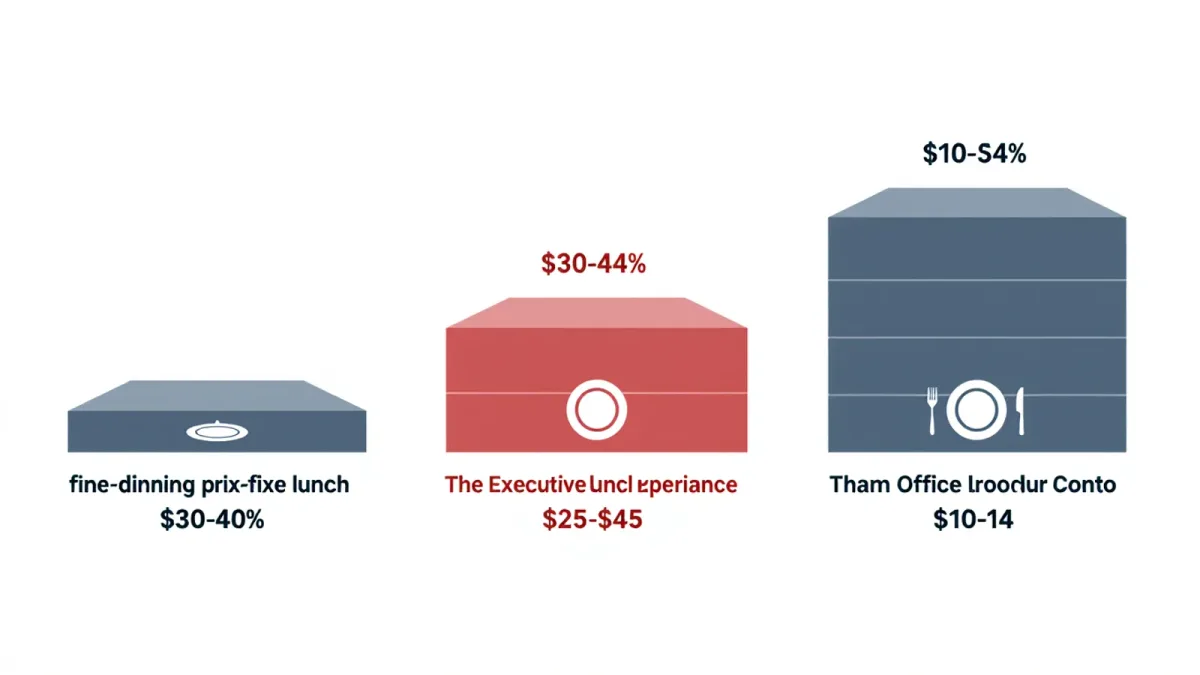
Three practical reasons. Price: lunch sets across Japan run far below the same kitchens' dinners, a gap institutionalized by the teishoku tradition — the famous kaiseki restaurants of Kyoto serve lunch versions of their art at a fraction of evening rates, per their published lunch menus. Access: teishoku restaurants — teishoku-ya, shokudo, department-store basements — welcome singles, non-Japanese speakers and short hours; the menu is photographed and numbered. Balance: the structure guarantees vegetables, soup and protein without ordering skill, which after a week of ramen and izakaya is its own argument.
What are the main teishoku types to know?
- Grilled fish set (yakizakana teishoku). The breakfast and lunch classic — salt-grilled mackerel or salmon, rice, miso soup, pickles, tamagoyaki.
- Tonkatsu teishoku. The breaded cutlet with shredded cabbage, rice, soup and the sesame sauce ritual — the set that made teishoku famous abroad.
- Kaiseki-style lunch. Kyoto's high kitchens compress their evening sequences into midday sets — the traveler's most affordable route to formal kaiseki cooking, per the lunch menus the city's restaurants have long published.
- Shojin ryori sets. The Buddhist temple cuisine of Kyoto and Koyasan — fully plant-based, structured exactly as ichiju-sansai, and the historical root of the format.
- Obento. The boxed cousin — same structure, portable, found at stations and department-store basements.
How do you order and eat one?
Order by number or photograph, choose a size if asked (the rice-or-portion question — large or regular), and take the tray as served. The etiquette is light: itadakimasu before eating, chopsticks lifted not stabbed, rice bowl held in the left hand, and miso soup drunk directly from the bowl, per standard Japanese table custom. Pickles cleanse between mains; the meal ends when the rice does. At shokudo counters, the tray returns to the pass when you rise.
Where do you find the best sets?
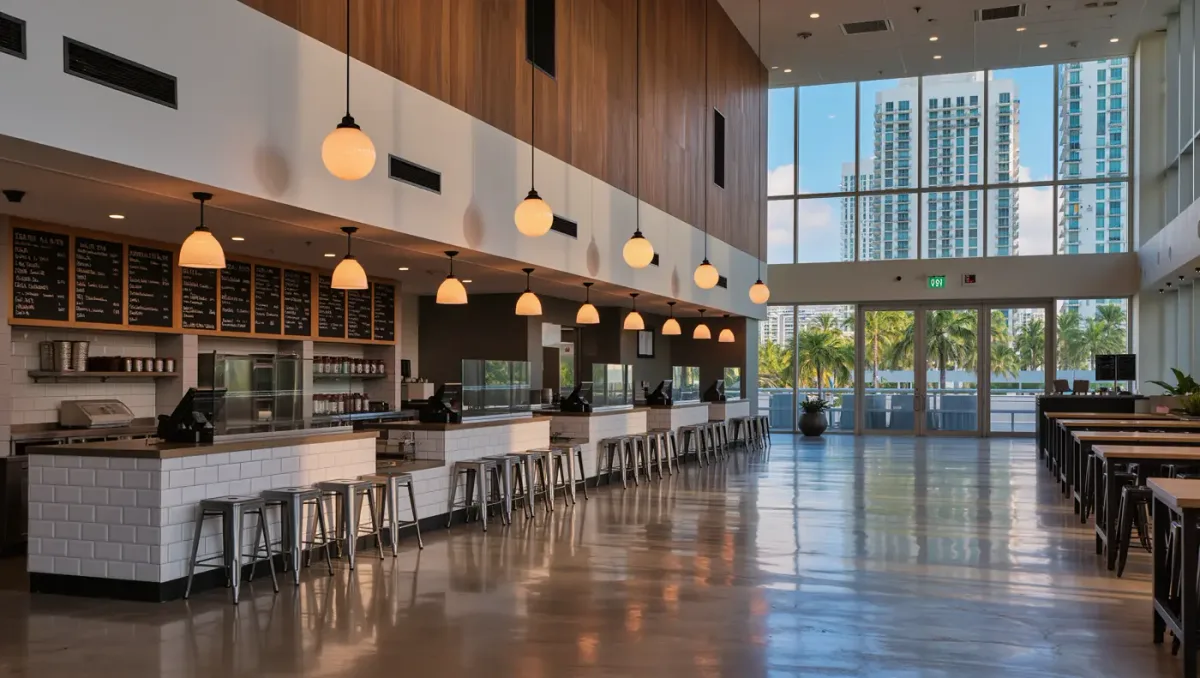
Everywhere, with specialization by district: office districts at noon run fast, cheap, perfect shokudo; Kyoto's downtown and temple neighborhoods hold the kaiseki-lunch and shojin traditions; department-store restaurant floors — the depachika and its upstairs kitchens — gather the country's specialists under one roof, per the structure of Japanese department-store dining as of 2025. The 12:00 hour fills everywhere; 11:30 or 13:00 seats easily.
The practical details
Cash remains useful at old shokudo, though cards and IC cards spread widely; water and tea are free and self-served; tipping does not exist. Lunch service typically runs 11:00 to 14:00. Prices cited here reflect published 2025 menus and move with the year — the chalkboard or the photographed menu at the door is always current.