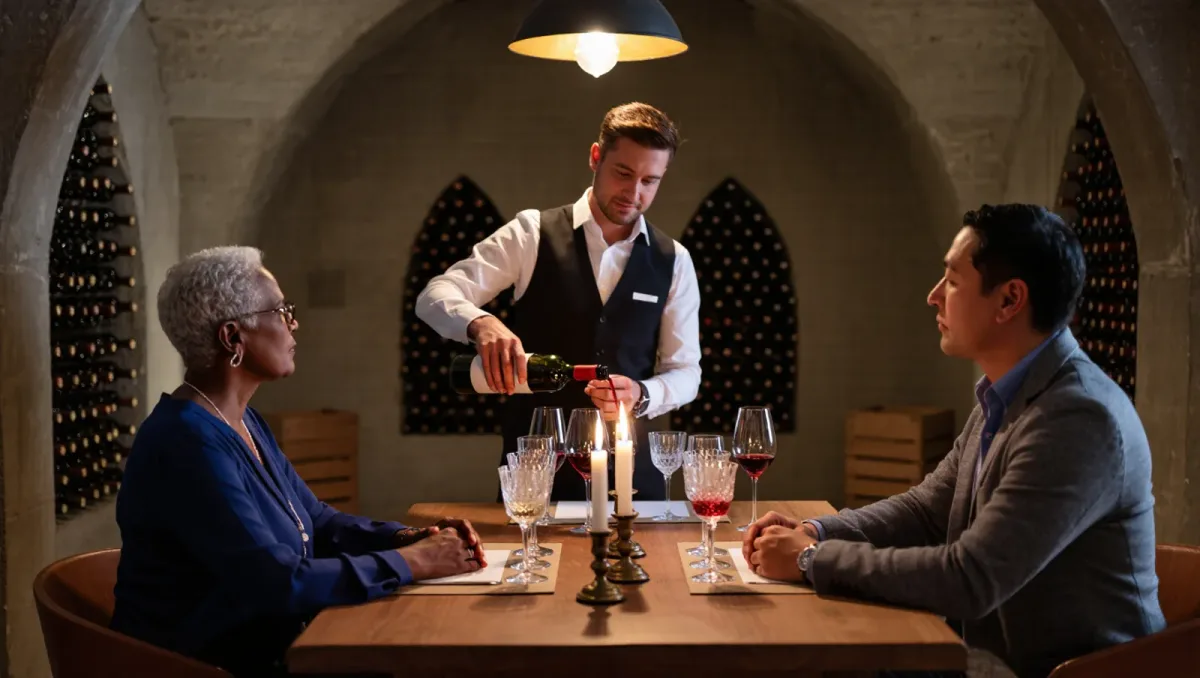
The Cellar as Attraction: What a Great Hotel Sommelier Program Offers a Traveler
At the best food hotels, the wine cellar is an attraction on par with the restaurant — and booking the sommelier costs less than most guests assume.
Hotel reviews written from a food traveler's priorities: what stands within a short walk, the quality and hours of breakfast, whether the hotel restaurant deserves an evening, room noise, seasonal nightly rates and parking. Stays are paid for. For readers who choose a hotel by its address and its bread.
Places to stay judged by what is within a ten-minute walk.
At the best food hotels, the wine cellar is an attraction on par with the restaurant — and booking the sommelier costs less than most guests assume.
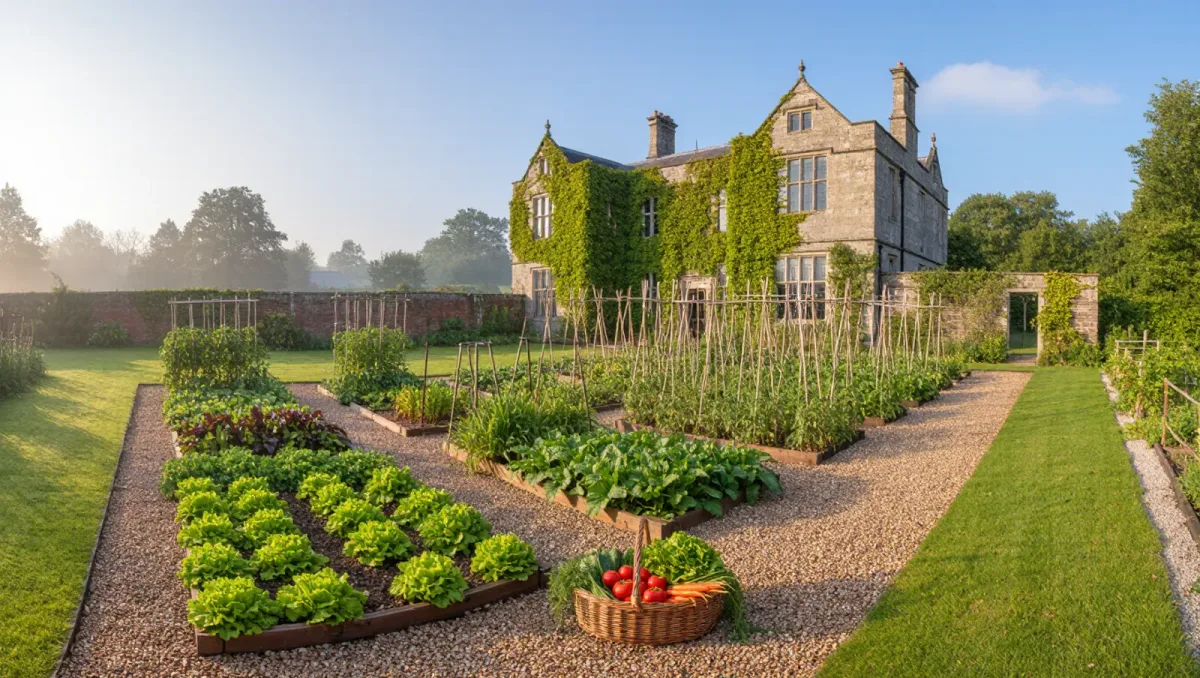
Walled potagers, greenhouse rows and foraged hedgerows have moved from marketing flourishes to the organizing principle of the best hotel kitchens — and guests can taste the difference.
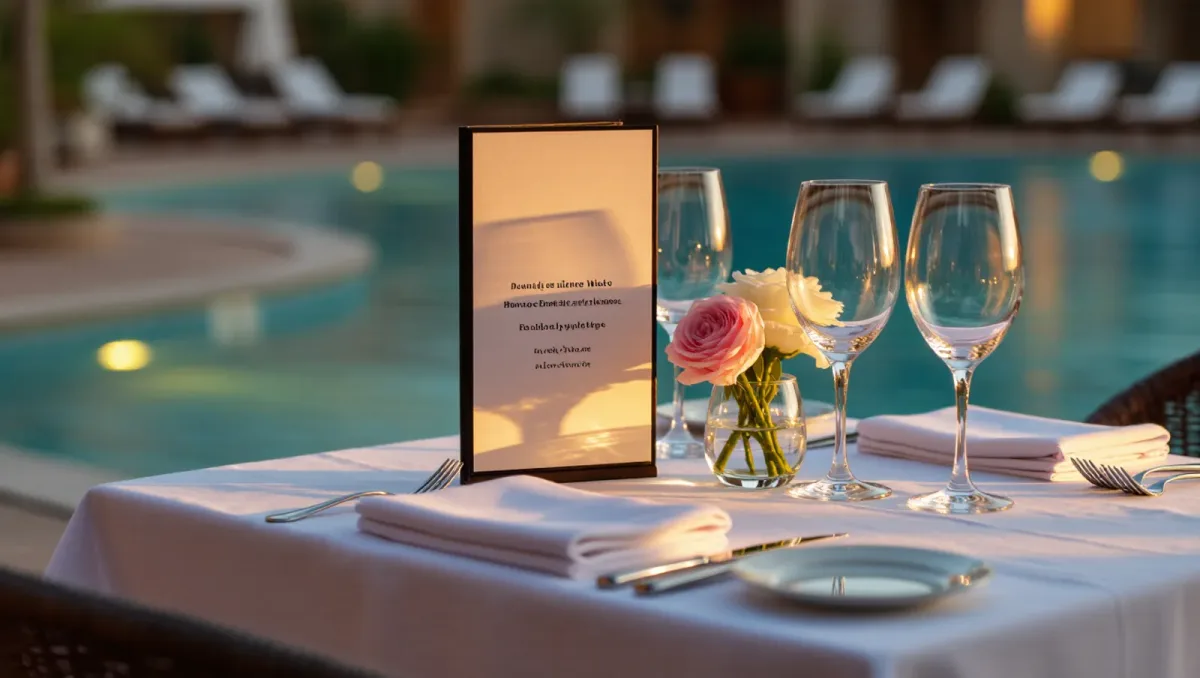
The resort dining model you choose shapes every meal of the trip — here is how the two systems actually differ on quality, cost and the food culture you get to meet.
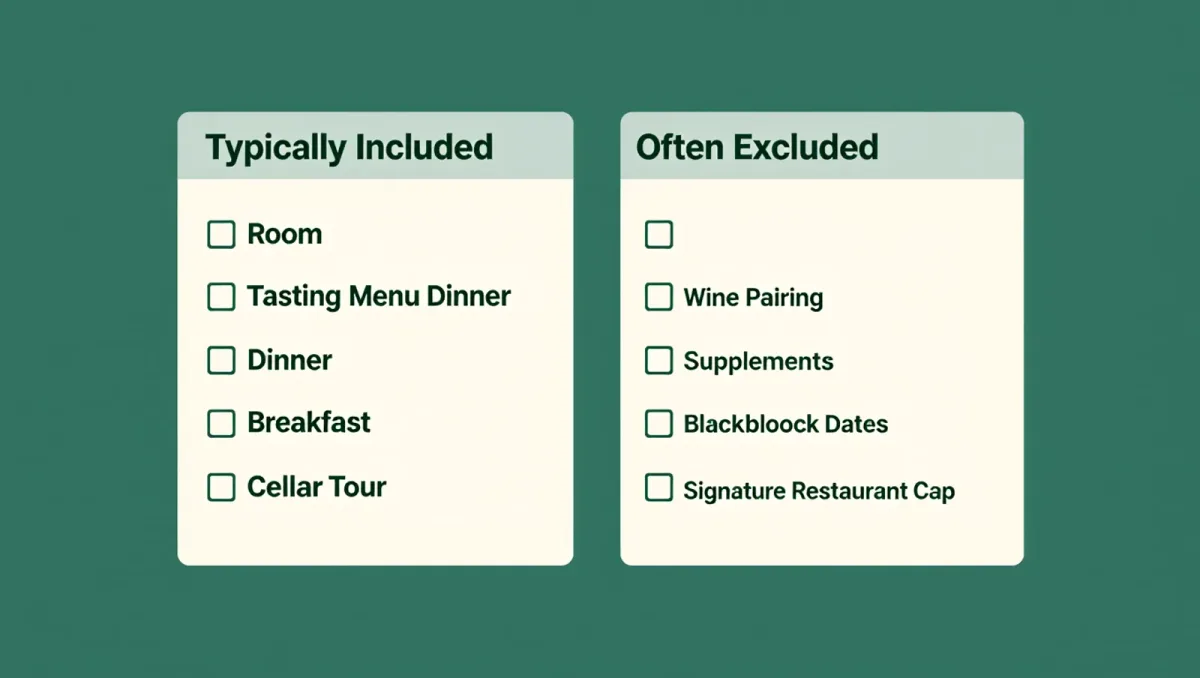
The 'gourmet package' is now a standard upsell at food-focused hotels — but the fine print decides whether it saves money or just moves it.
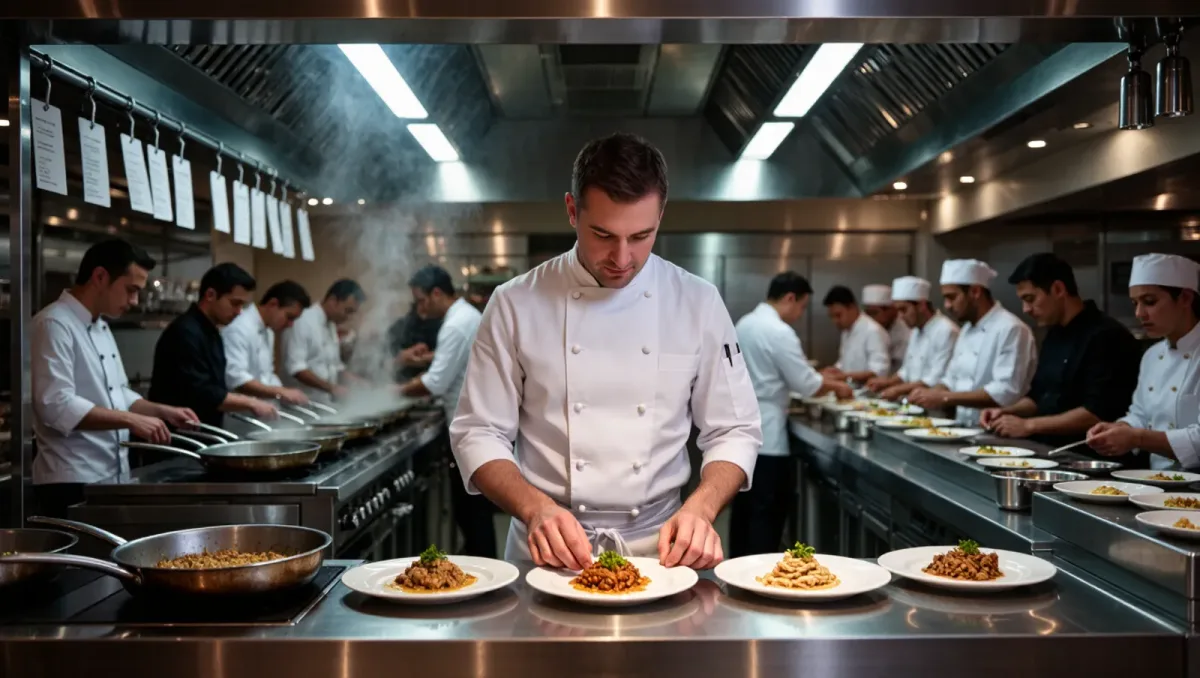
Hotels increasingly borrow star chefs for weeks rather than hire them for years — a format that gives food travelers rare access, if they read the fine print before booking.
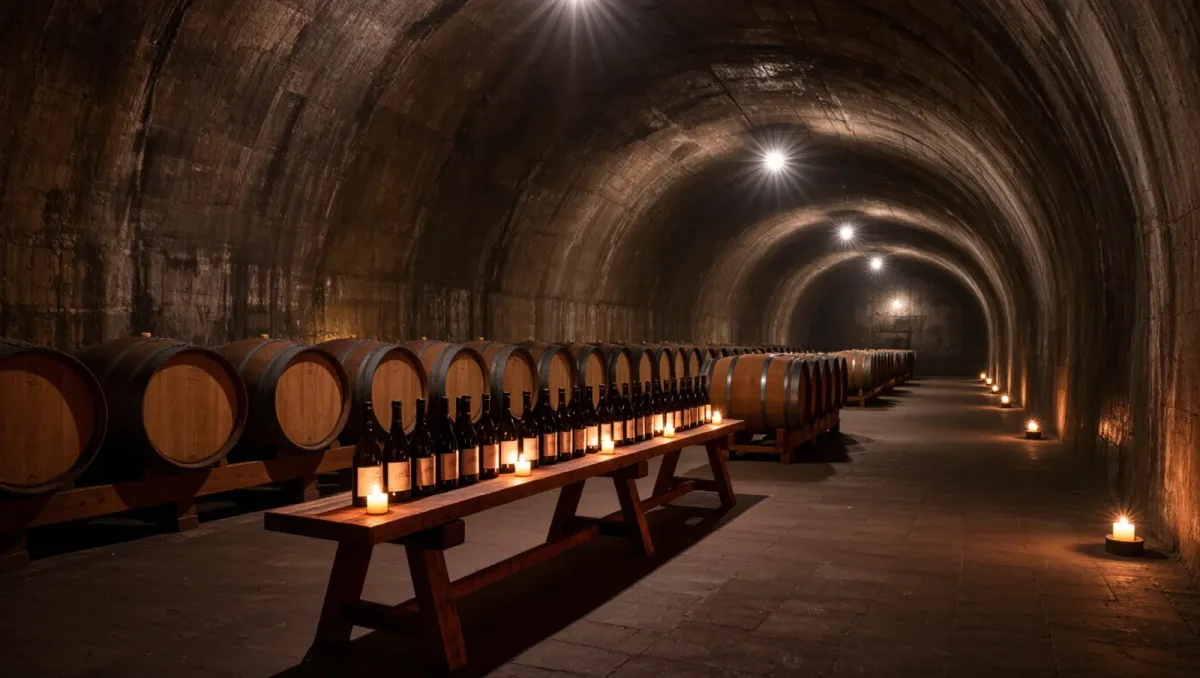
Sleeping among the rows turns a wine region into a single property, but vineyard hotels vary more than any other lodging type — from working estate to wine-themed resort in name only.