Omakase (お任せ) translates literally as I leave it up to you: the diner surrenders the order to the chef, who serves a sequence of dishes built that morning from the market. In Tokyo the format lives at sushi counters of eight to a dozen seats, where dinner commonly runs around ¥20,000 to ¥40,000 per person at the established rooms, per published menu rates checked in 2025 — and the ritual, from the first plate to the tamago at the end, follows a grammar that rewards a little fluency.
This guide explains how the omakase counter works, what the chef is actually deciding, how to book — including from abroad — and the etiquette that genuinely matters. It publishes information, not booking advice; confirm prices and policies with each restaurant.
What does the chef actually decide?
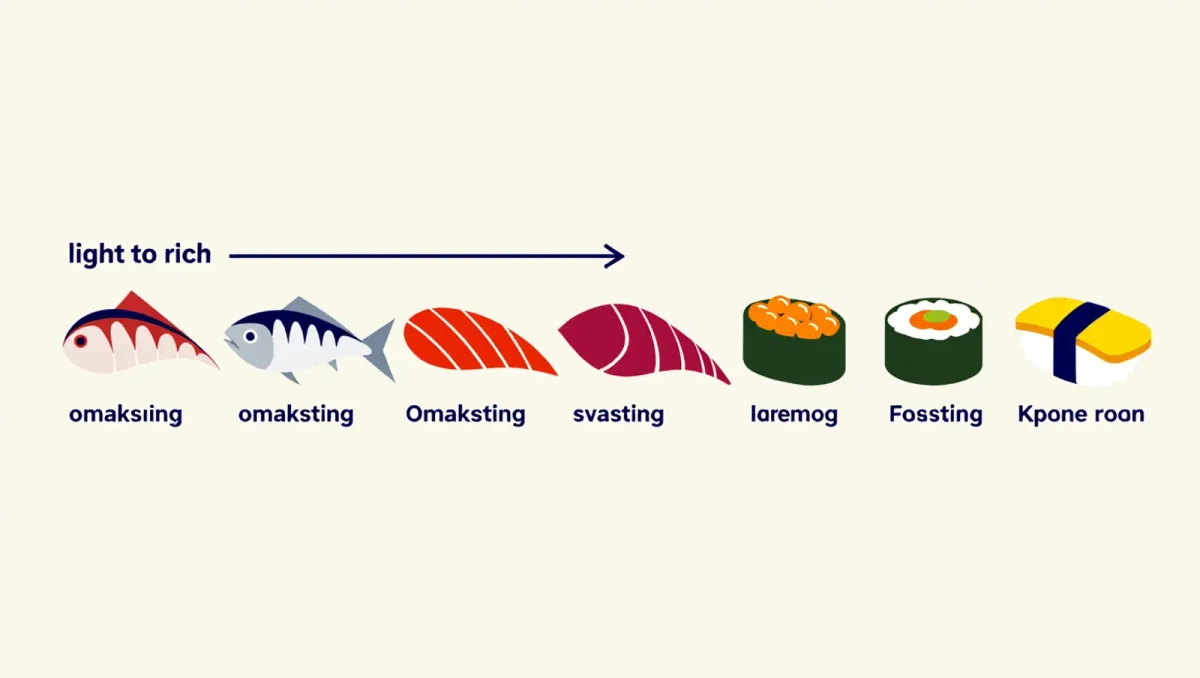
Everything, in a strict order. The progression at a classic Edomae-style counter runs from lighter to heavier: white-fleshed fish first, then silver-skinned and strongly flavored pieces, then richer cuts — fatty tuna, sea urchin — toward the end, with rolled sushi and finally tamago, the cooked egg custard that traditionally signals the meal's close. Seasoning follows the same logic: nikiri soy brushed by the chef, wasabi placed on the fish, rice seasoned to match the course, per the structure described in standard Edomae sushi references. The diner's one job is tempo — eat each piece while the rice is body-temperature, and let the chef set the pace.
What does the counter format change?
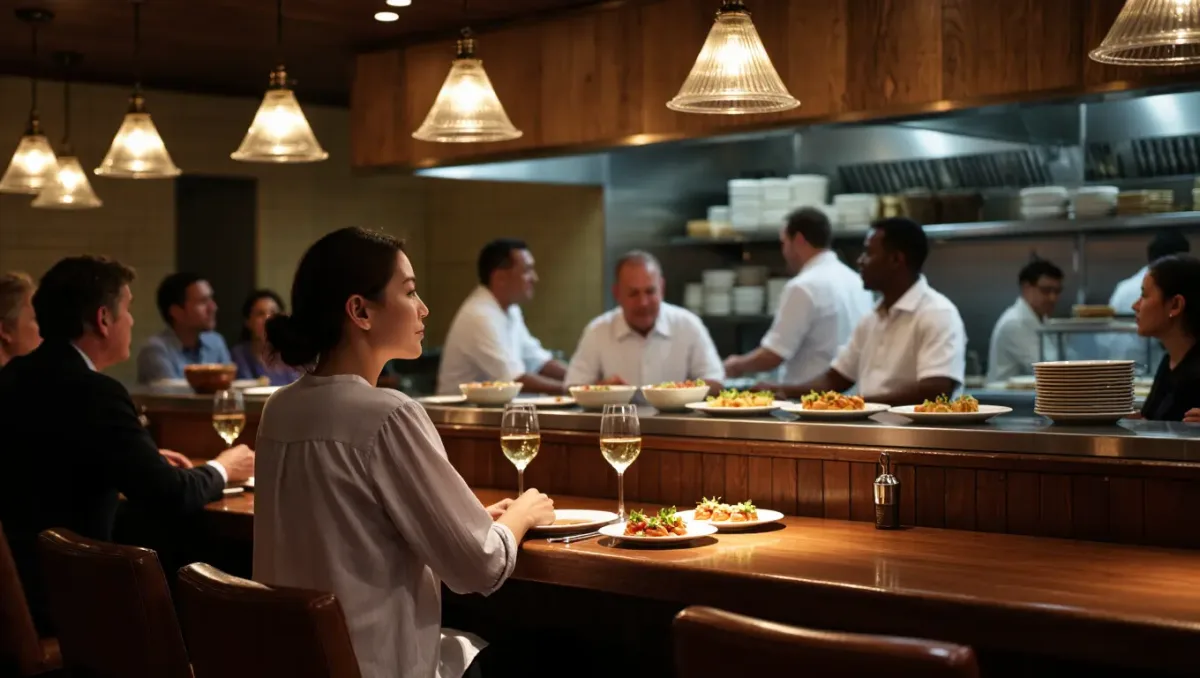
More than seating. At a counter, the sushi is made piece by piece directly in front of the diner, timed to be eaten in seconds; the chef reads each guest's pace, appetite and preferences — an unspoken negotiation in which finishing promptly means the next piece comes, and hesitation slows the kitchen. Conversation is part of the format at some counters, absent at others; both are correct. What is universal is the two-way visibility: the diner watches the knife work, the seasoning, the rice pressed — which is why the counter seats command the same room as the food.
How do you book an omakase counter — especially from abroad?
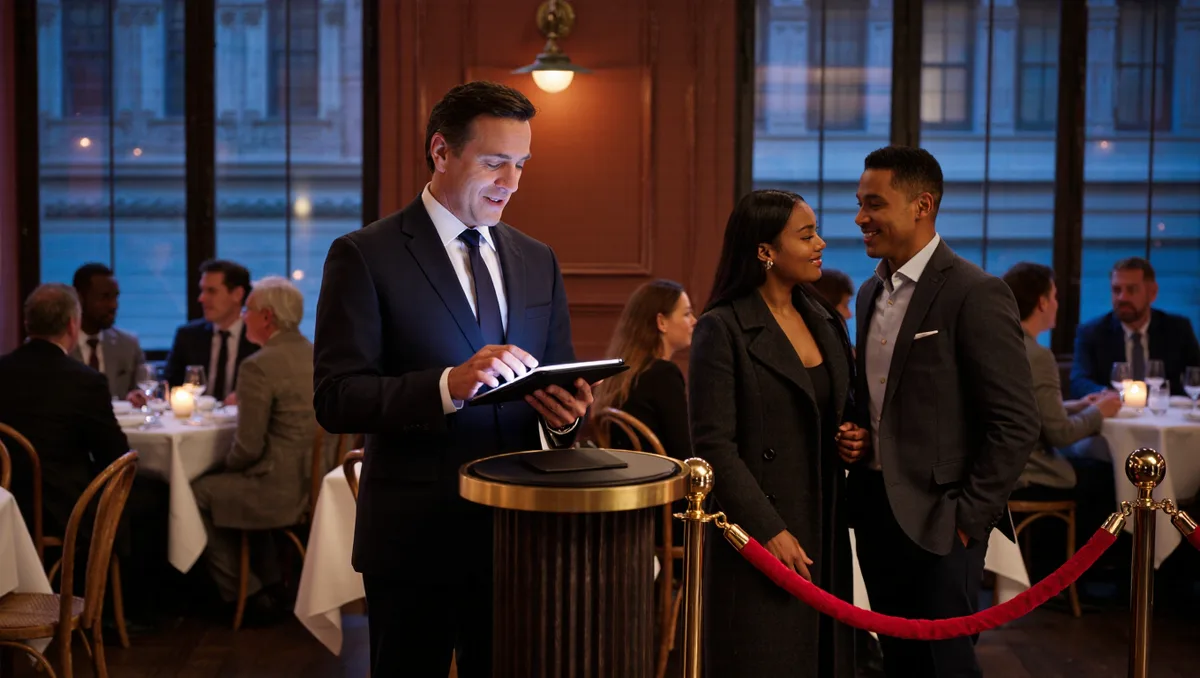
Three routes, in declining reliability. First, hotel concierges: in Tokyo and Kyoto, the established counters are largely referral-run, and top hotels hold the relationships — a system long documented in reporting on Japan's restaurant booking culture, where many famous counters decline first-time web bookings. Second, the hotel's own desk or the restaurant's official line, by phone, in the local language or through a booking service that places calls on the diner's behalf. Third, international booking platforms, which list a subset of counters — often the most tourist-fluent ones. The lead time matters more than the channel: eight to twelve seats and one or two seatings mean famous rooms book out weeks to months ahead, per published booking policies as of 2025.
What etiquette actually matters?
- Punctuality is absolute. A counter service starts on time and moves as one choreography; late guests compress the kitchen.
- Declare restrictions when booking, never at the counter. An omakase menu is a single construction; a same-seat allergy request asks the chef to improvise a new menu mid-performance. Most rooms accommodate declared needs gladly.
- Hands or chopsticks, both fine. Edomae sushi is traditionally finger food; the chef's temperature and seasoning argument beats any single rule.
- Perfume and photos. Strong fragrance interferes with the room; photography policies vary counter to counter — ask, and default to discreet.
- Pay at the end, often in cash. Some established counters remain cash-preferred, per their published terms.
Is the format spreading beyond sushi?
Yes — omakase is now a format rather than a cuisine. Tempura counters, yakitori counters, teppanyaki and, outside Japan, chef's-counter tastings from Lima to Copenhagen borrow the same structure: a small room, a set sequence, the kitchen as the performance. For a food traveler the principle transfers intact: the counter is where the chef decides, and the diner's preparation matters more than the menu ever could.
The practical details
Confirm before booking: the menu price and drinks policy — some counters price sake separately and expect cash; seating count and whether the full counter must be booked for a private group; dietary accommodation deadlines, usually days ahead; and cancellation terms, which at small counters are among the strictest in the industry, per published policies as of 2025.