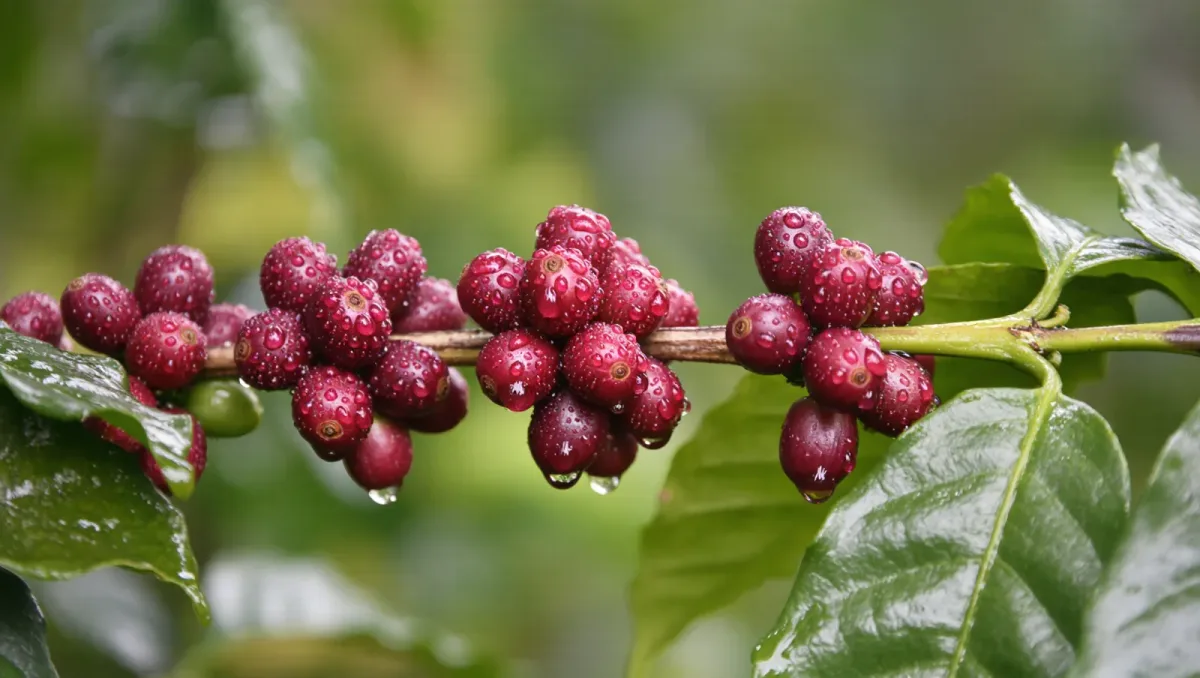
Ethiopia is where coffee begins: Coffea arabica grows wild in the country's southwestern forests, and the regions that carry its famous names — Yirgacheffe, Sidama, Harrar, Limu — are not brands but places, administrative zones and woredas in the southern highlands where an estimated five million smallholder households grow coffee under shade, often on half-hectare garden plots. Coffee earns roughly a third of Ethiopia's export earnings, per government trade data, but at origin it is above all a domestic ritual: the country drinks about half of what it grows.
This guide explains the coffee regions a traveler can actually reach, what a washing station visit involves, how the three-round coffee ceremony works, and how to sequence a coffee-focused route through the south from Addis Ababa. Details reflect published sources and export figures as of early 2026; check current government travel advisories before booking, as conditions in parts of the country change.
Why is Ethiopia the origin that tastes different?
Two reasons, one botanical and one structural. Botanically, Ethiopia holds the species' genetic home: thousands of unnamed wild and semi-wild arabica varieties grow in the forests of Kaffa and the Gedeo zone, which is why a single Ethiopian washing station can produce a dozen flavor profiles — jasmine, bergamot, stone fruit, the blueberry note prized in natural-processed Yirgacheffe — without any plant breeding at all. Structurally, production is smallholder: most farmers deliver cherries, rather than green beans, to cooperative washing stations, where the processing — washed and fermented in tanks, or dried whole as a natural — decides as much of the cup as the soil does.
The famous story of Kaldi and his dancing goats is just that, a story; the documented history is quieter. Coffee drinking spread from Ethiopia's monasteries and markets into Yemen and the wider world by the 16th century, a movement the historical record traces through Arab sources.
What is Yirgacheffe, exactly?
Yirgacheffe is a woreda — a district — inside the Gedeo zone of the Southern Nations region, a densely settled highland of enset gardens and coffee shade trees around 1,900–2,200 meters. Its washing stations, many organized as cooperatives, became the benchmark of the specialty trade from the 2000s onward: washed Yirgacheffe for the floral clarity, natural Yirgacheffe for the intense fruit. The district market town sits a few hours' drive from Hawassa or Dilla on the road south; visits are arranged through the cooperatives or the unions that represent them, typically combining a washing-station tour in season with a garden walk among the shade trees.
The harvest runs roughly October to January, with the main processing months — when the stations are at full volume and a visit shows the most — falling November through December. Between harvests, coffee travels: to the Ethiopia Commodity Exchange in Addis for domestic trade, or through direct-export channels that cooperative unions have negotiated with overseas roasters since the 2010s.
What happens at a coffee ceremony?
The coffee ceremony — bunna — is the Ethiopian table's center, and guests are expected to stay for all of it. Green beans are washed and roasted in a flat pan until they crack and gild, ground in a mortar, and brewed in the jebena, the round clay pot with its straw lid. The brew is poured in one thin stream from height into small cups, often with salt or butter in some regions, always with something to eat — roasted barley, kolo, or popcorn — and incense burns beside it.
Three rounds follow, each with its own name and standing: abol, the first and strongest; tona, the second; baraka, the third and blessing-bearing last. The whole ceremony runs 45 minutes to an hour and a half, and declining a round is a small social event — drink all three if you can. In Addis Ababa, historic cafes pour the same ritual all day; the espresso-and-bunna hybrid culture of the capital's coffee houses, some operating since the 1950s, is a visit in itself.
What does a coffee-focused route look like?
From Addis Ababa, the classic southern loop runs two to four days by road or with short flights: Hawassa for the lakeside fish market and morning, south through Yirgacheffe and the Gedeo stations, optionally on to Sidama's farms and, for the ambitious, the Jimma and Kaffa forests to the west, where wild coffee grows under the canopy and the region's name gave the world its word for the drink. In Addis, the National Museum and Merkato's coffee quarter bookend the trip; the city's specialty cafes now cup Ethiopian lots side by side, and a tasting flight of washed Yirgacheffe against natural Sidama against Harrar teaches the geography faster than any lecture.
Practical framing: coffee tourism here is agritourism, not café hopping — expect dirt roads, elevations over 2,000 meters, and visits arranged days ahead through cooperatives, unions, or licensed tour operators rather than walk-in tastings. The general mechanics of arranging producer visits, and the etiquette that makes them welcome, are covered in our separate guide to visiting wineries and dairies — the principles carry over.
When should you go?
November through January combines the harvest and processing season with Ethiopia's dry, cool highland weather — the window when washing stations run at full volume and the roads are at their best. February to April brings the white coffee blossom that carpets the gardens; the main rains from June make rural roads hard work. Visitors should confirm regional access conditions with their operator close to travel dates.
How do you tell the regions apart in the cup?
The shorthand the specialty trade uses maps neatly onto a tasting flight. Washed Yirgacheffe reads floral and citrus — jasmine, lemon, black tea; natural Yirgacheffe pushes blueberry and cacao. Sidama, the larger zone around it, splits the difference with stone fruit and sweetness. Harrar in the east, almost always natural, tastes of dried fruit and wine; Limu and Jimma in the west run rounder and chocolate-driven. Order all five in Addis side by side and the map becomes a palate — which is exactly what the capital's cupping rooms exist for, and the best first day of the trip.
Frequently asked questions
Can travelers buy coffee at origin? Yes — washing stations, cooperatives, and Addis cafes sell roasted and green beans by the kilo, and vacuum-packed roasted Yirgacheffe travels home easily. Export-grade green coffee for personal shipping is a customs question for your home country, so check before mailing large lots.
Is Ethiopian coffee organic? Much of it is grown without inputs by economic necessity, but certification varies by cooperative; ask the union which stations hold current certification rather than assuming.
What is the difference between washed and natural Ethiopian coffee? Washed lots are fermented and rinsed before drying, giving the floral, tea-like clarity Yirgacheffe is known for; naturals dry the whole cherry, concentrating fruit — the blueberry character of natural Yirgacheffe is the classic example.