Oaxaca, the capital of the state of the same name in southern Mexico, is the place travelers mean when they call Mexican food one of the world's great cuisines — the state's cuisine is inscribed by UNESCO as part of the intangible heritage of traditional Mexican cooking (2010), and its signature dishes are the seven moles of local tradition, hand-pulled quesillo cheese, tlayudas grilled over coals, and mezcal distilled within an hour of the city's markets.
This guide moves through the city dish by dish and market by market, then out to the mezcal villages, with the practical details — seasons, price levels, and the hours that matter — based on current published sources as of early 2026. It is a guide to eating in Oaxaca, not a ranking; the city's best meals happen in family kitchens no list reaches.
What are the seven moles of Oaxaca?
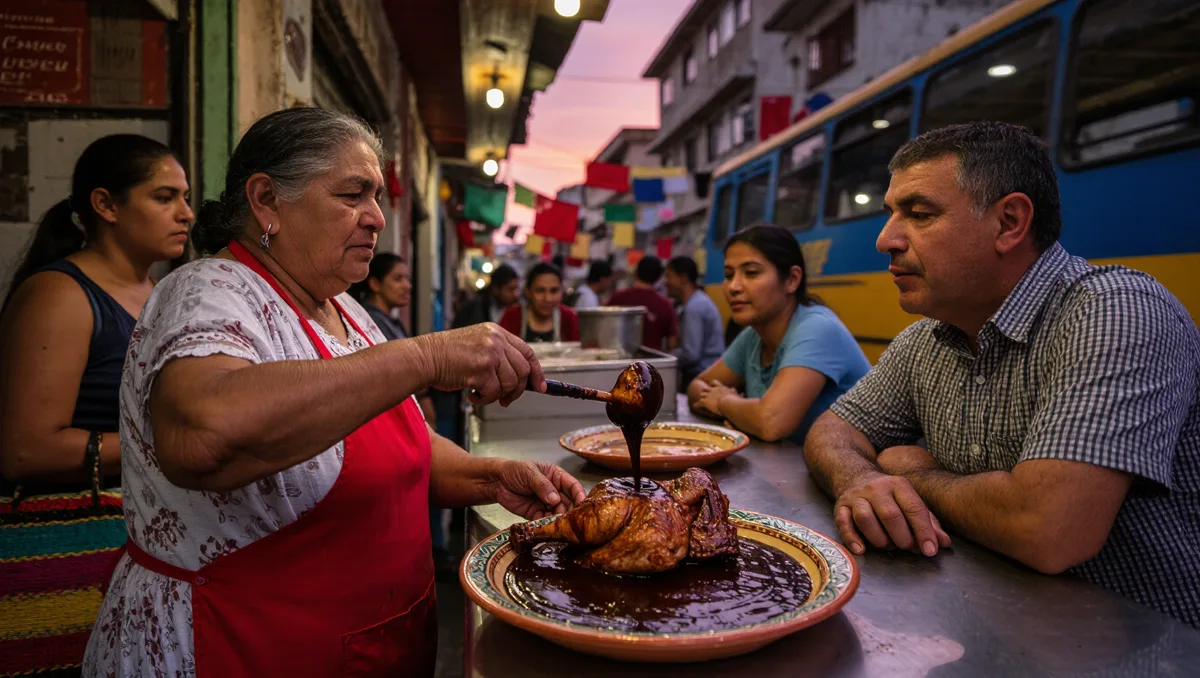
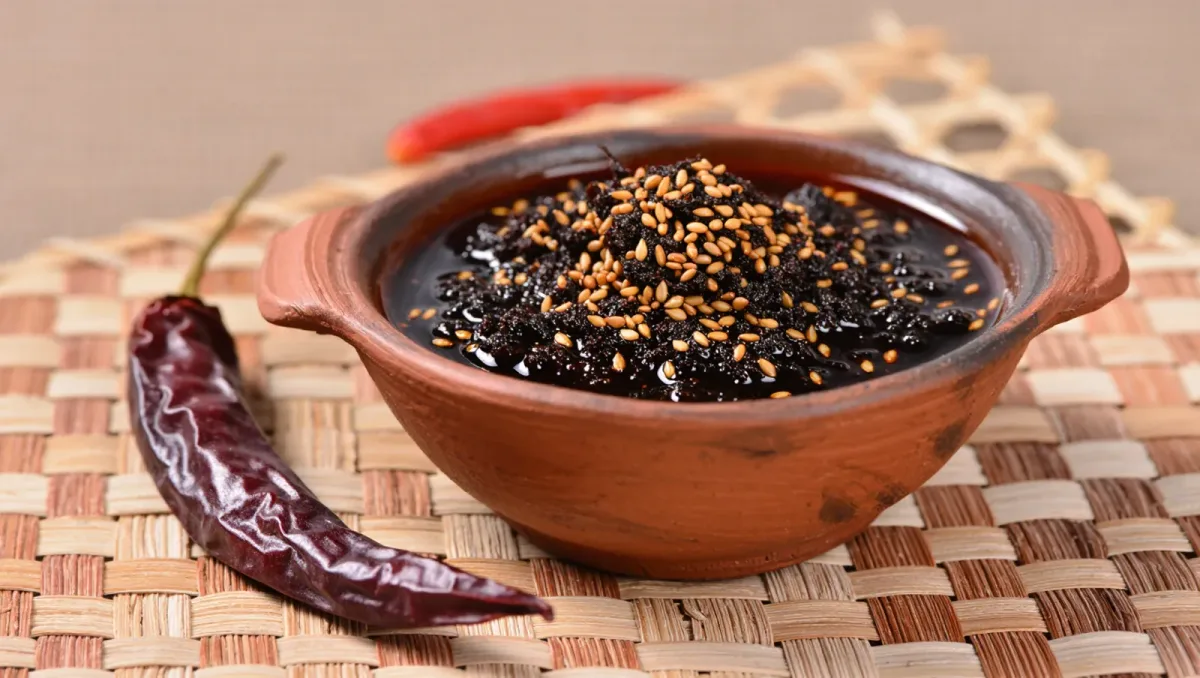
Oaxacan tradition counts seven moles — negro, rojo, coloradito, amarillo, verde, chichilo, and manchamanteles — though cooks in the state will tell you the count is a handy shorthand rather than a law. The mole negro is the flagship: a black, glossy sauce built on dried chilhuacle chiles, Oaxacan chocolate, sesame, and as many as thirty ingredients, toasted and ground separately before the long simmer. A plate of mole negro over chicken with handmade tortillas at a mid-range Oaxaca restaurant runs roughly MXN 180–350 in 2026 (about US$10–20).
The others differ in color and use: amarillo with masa-thickened yellow chiles for tamales, coloradito sweeter and brick-red, chichilo smoky with burnt tortilla, verde with tomatillo and pumpkin seed, manchamanteles — "tablecloth-stainer" — a fruity pork-and-plantain mole. Restaurants across the Centro Histórico serve one or two daily; the Oaxacan custom of a Saturday or festival spread serving all seven persists mainly at weddings and community fiestas.
Where does the city actually eat?
Two markets do the heavy lifting. Mercado 20 de Noviembre, two blocks from the zócalo, is best known for its pasillo de humo — the smoke hall, where long tables sit beside grills stacked with tasajo, cecina, and chorizo, and the transaction is simple: buy the meat, buy the tortillas and garnishes, eat. The market's bread stalls, chocolate grinders, and hot chocolate stands (Mayordomo's grinder audible from the door) fill in the rest of a morning.
The Central de Abastos, ten minutes' walk east, is the state's largest market and the one where the city shops: chile stalls by the sack, quesillo in ropes, chapulines — toasted grasshoppers with chile and lime — in graded sizes, and the clay-pot and comal vendors that supply the surrounding villages. Go early; by early afternoon vendors are packing. The tourist-facing Mercado de la Merced sits between the two and is a quieter alternative for breakfast.
What is a tlayuda, and when should you eat one?
A tlayuda is a dinner-sized half-crisped corn tortilla painted with asiento (rendered pork fat and chile paste), layered with black bean paste, quesillo, cabbage, and usually tasajo or chorizo, then folded and grilled over coals. It is Oaxaca's late-night dish par excellence: the tlayuderías on and around Calle Libres and the market stands hit their stride from about 8 p.m. onward, and a full tlayuda costs roughly MXN 60–120. For many travelers it is also the first dish they meet — and the one they dream about after, which the corn's own argument explains: Oaxaca's heirloom corn varieties, ground daily for masa, are the base of everything.
Quesillo, chapulines, and the rest of the plate
Quesillo — the string cheese Oaxaca gave Mexico, pulled into ribbons and wound into a ball — appears in tlayudas, in empanadas de amarillo, and grilled on its own. Chapulines are the state's protein habit more than a stunt: sold by the bag at the Abastos, scattered over quesadillas. Tejate, the pre-Hispanic drink of maize, cacao, mamey pit, and cacao flower whipped by hand, is sold from jugs in the markets for a few pesos and tastes, fairly, of none of its parts separately. Oaxacan chocolate — stone-ground, barely sweet, made for drinking — is bought in tablets at the same stalls and travels well.
Mezcal: what to know before you taste
Mezcal carries a denominación de origen protecting production across much of southern Mexico, with Oaxaca the center of gravity; the spirit is distilled from agave — chiefly espadín, the cultivated workhorse, alongside wild varieties like tobalá and tepeztate. The drinking ritual is local and exact: small sips, with orange slices dusted with sal de gusano, the worm-salt that accompanies the bottle. Estancias and palenques — the distilleries — cluster along the valleys southeast of the city: Santiago Matatlán calls itself the world capital of mezcal, and Tlacolula's Sunday market combines a palenque visit with the region's most atmospheric market day.
Tasting rooms across the Centro now pour by the flight; a proper flight of three agave varieties runs roughly MXN 150–350. Prices for top wild-agave bottles have climbed steeply in recent years as mezcal exports have grown — travelers should treat varietals like tobalá as occasional glasses rather than daily pours, both for the wallet and for the agave itself, which can take a decade or more to mature.
When to go — and what the calendar adds
Oaxaca eats the same twelve months a year, but the calendar changes the table. The weeks around Día de Muertos (late October into November 2) bring the city's biggest crowds and its most elaborate altars and market stalls; Guelaguetza, the state's festival of dances, fills the last two Mondays of July; and the hot months of March through May precede the rains that green the valleys. Shoulder seasons — February, late May, September — offer the food with a fraction of the lodging pressure. Book the city's most-mentioned restaurants weeks ahead for November and July; walk-ins rule everywhere else.
Day trips that earn their mileage
Two half-days justify leaving the Centro. Tlacolula de Matamoros, thirty minutes east, holds a Sunday market whose food section — barbacoa pits, nieves, and the comal griddles of the Zapotec villages — is the state at full volume. And the Sierra Norte community-tourism villages, a couple of hours into the pine forests, run cooking-centered stays where the meals come from the milpa: corn, beans, squash, and herbs picked that morning. Both are covered by colectivos and frequent buses from the city's central terminal.
Frequently asked questions
Is Oaxaca safe for food travelers? The Centro Histórico and its markets are heavily visited; the standard precautions for Mexican travel apply, and current government travel advisories should be checked before booking.
What is the difference between mezcal and tequila? All tequila is mezcal's cousin, not the reverse: tequila is a protected category made from blue agave, chiefly in Jalisco, while mezcal covers dozens of agave species across Oaxaca and neighboring states, traditionally roasted in earthen pits.
Can you visit a mezcal distillery without a tour? Yes, along the Tlacolula valley route many palenques receive visitors directly, though Spanish helps and a guide simplifies transport; Sunday pairs best with the Tlacolula market.
What should vegetarians order? Mole amarillo with vegetables, empanadas de flor de calabaza, tlayudas without meat, memelas, and tejate — Oaxaca's larder is corn-based first, and the markets prove it.