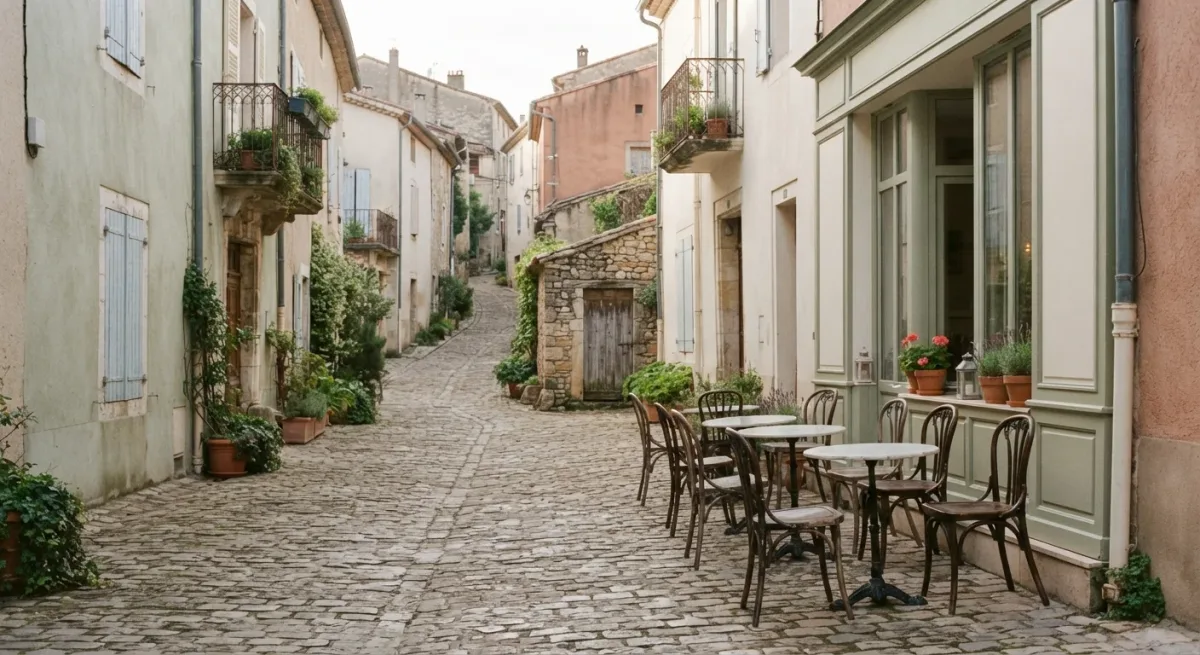
Alfama, the district below the Castelo de São Jorge and above the Tagus riverfront, is Lisbon's oldest neighborhood and its most rewarding for travelers who plan around walking: steep alleys, tiled facades, and the city's fado houses, with tram 28 running along its western edge and the Santa Apolónia rail station at its foot. This guide selects venues for location, walkability within the district, and price range as listed on venues' official pages in 2024; Legacy Village News has not stayed, eaten, or shopped anywhere described, and details should be confirmed with each venue before visiting.
The district rewards planning because it punishes improvisation. Streets are steep, signage is sparse, and the best-known restaurants fill their small rooms by mid-evening. Everything recommended below sits within a ten-minute walk of the Largo das Portas do Sol viewpoint.
What kind of neighborhood is Alfama?
It is the surviving quarter of Moorish Lisbon, spared by the 1755 earthquake that leveled most of the city, per the Lisbon municipal heritage record — which is why its street plan predates every grid in the city. Fishing families, fado singers, and, increasingly, small guesthouses share its hillside. The 2024 opening of the Museum of Fado's expanded walking route formalized what locals already knew: the district's tradition is its product.
Alfama: Where to Stay
Selection criteria: inside the historic quarter, walkable to the viewpoints, in the mid-range band as listed on official sites in 2024.
Hotel Casa do Príncipe, near Largo do Intendente on the district's northern edge, is a nine-room townhouse hotel; its official site lists rates in the mid band for doubles with breakfast. You'll reach the tram 28 stop at Intendente in two minutes on foot.
AlmaLusa Alfama, on the Praça do Comércio side at the district's southern gate, offers river proximity and a calmer street than the lanes above; doubles as listed on its official site in 2024 sit in the upper-mid band. The Santa Apolónia metro and rail interchange is a six-minute walk.
Small guesthouses in the upper lanes — concentrated around Rua dos Remédios — trade stairs for views, with listed rates generally below the hotels. Confirm luggage help when booking; some alleys are stair-only.
Alfama: Where to Eat
Selection criteria: traditional Portuguese cooking, room size small enough to require booking, locations inside the quarter as listed on official pages in 2024.
Taberna Sal Grosso, on Calçada do Forte, serves petiscos — Portuguese small plates — with a short wine list; its official site lists dinner service from early evening and closes Sunday and Monday. Book: the room seats roughly two dozen.
Beco do Capelo, a fado-and-dinner house in a side lane off Rua de São Pedro, runs two seatings a night in the fado tradition — dinner while musicians perform in the room, unplugged, per the house's posted custom. Rates listed on its official page in 2024 included the performance.
The Feira da Ladra side: on Tuesdays and Saturdays, the flea market at the district's eastern edge brings stall food and crowds; the rest of the week, the Santa Apolónia perimeter cafés open early for rail travelers.
Alfama: Where to Shop
Selection criteria: independent shops inside the quarter, crafts rather than souvenirs, as operating in 2024.
Rua de São Pedro and the Largo do Chafariz de Dentro lanes carry the district's concentration of independents: ceramics studios painting azulejo-style tiles to order, cork-goods shops, and used-book stalls near the flea market. Prices at ceramics studios are generally posted per piece, and custom tile work is quoted by size.
The Feira da Ladra, the Tuesday-and-Saturday flea market at Campo de Santa Clara, is the district's oldest retail institution; bring cash for the stall rows.
How Do You Get Around?
On foot, with tram 28 for the edges. The historic cars run Martim Moniz to Campo de Ourique past the district's western boundary; the Santa Apolónia metro station (blue line) and rail interchange sits at its foot, per Carris Metropolitana's current route maps. Buy a rechargeable Viva Viagem card at any metro station — single tram fares with the card cost well below the cash fare, per the operator's posted tariff.
One planning note: ride-share cars reach the main squares but not most interior lanes, which are narrow or stair-only. Set pickup at Largo das Portas do Sol or the Praça do Comércio and walk in.
For more context, read Shibuya: A First-Timer's Primer to Tokyo's Fashion District.
For more context, read Mexico City: Where the Mercado Still Sets the Table.
For more context, read How to stay a week in one place.